
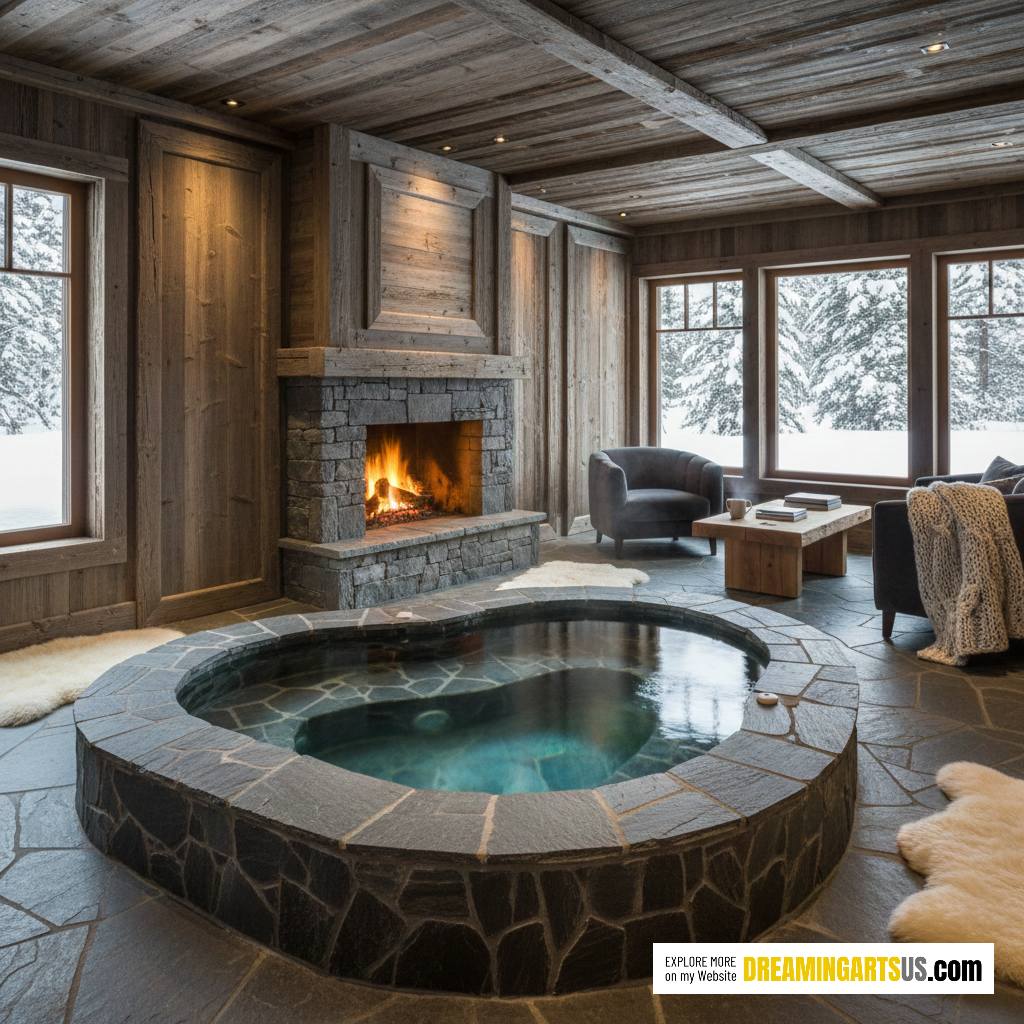
A Floor built-in Hot Tub can instantly transform an ordinary living room, sunroom, or indoor patio into a luxury wellness sanctuary. The seamless integration of the tub into the flooring creates a spa-like aesthetic that feels custom, architectural, and deeply inviting. Whether you want a cozy cabin retreat with a stone fireplace or a bright Scandinavian-style room with floor-to-ceiling windows, this type of installation elevates both function and atmosphere.
Unlike traditional above-ground hot tubs, a Floor built-in Hot Tub becomes part of the home’s structural experience. It blends naturally with wood, stone, or polished concrete, creating a warm ambience while offering therapeutic benefits such as hydrotherapy, heat therapy, and complete relaxation. This guide breaks down the costs, materials, design options, and budgeting strategies so homeowners can plan with confidence and choose the right setup for their space.

What Makes a Floor built-in Hot Tub Unique?
A Floor Hot Tub sits flush with the floor, creating a clean architectural line that enhances both safety and visual appeal. Instead of stepping up and into a tub, you ease down into it—an experience that feels more like entering a natural hot spring. This type of installation is popular in luxury chalets, mountain cabins, modern lake houses, and high-end indoor wellness rooms.
Built-in designs also provide unmatched stability and insulation. The tub is supported by the subfloor and often surrounded by protective stone or wood paneling, which helps keep heat consistent and reduces mechanical noise. This construction style allows for deeper soaking, custom jet placement, and LED lighting options that transform nighttime bathing into a serene ritual.
Average Costs of a Floor built-in Hot Tub in 2025
Planning for a Floor Hot Tub means understanding the full cost picture—not just the tub itself. Installation, flooring modifications, moisture management, and electrical components all contribute to the final number. Below is an up-to-date breakdown for 2025 pricing.
1. Hot Tub Unit Cost: $6,500 – $25,000+
Built-in-ready tubs are generally more robust than standard models. Higher-end models include ergonomic seating, hydrotherapy jets, chromatherapy lighting, and silent-flow pumps.
2. Structural Modifications: $4,000 – $18,000
This includes floor cutting, framing, reinforcement, and waterproofing. Homes with wooden subfloors require more engineering than homes with concrete slabs.
3. Electrical & Plumbing Installation: $2,500 – $9,500
A dedicated circuit, GFCI installation, drainage preparation, and pump system integration are mandatory for safety.
4. Ventilation & Moisture Control: $1,500 – $6,000
Indoor humidity can cause mold if unmanaged. Rooms may need upgraded ventilation, dehumidifiers, or insulated vapor barriers.
5. Flooring & Finishing Materials: $3,000 – $20,000+
Stone, tile, wood, and epoxy flooring dramatically impact cost. Custom stonework around the tub can raise the budget significantly.
Total Estimated Cost: $17,500 – $75,000+
The final price depends on home layout, tub size, finishing materials, and whether the installer is modifying an existing room or building new construction.

Types of Materials for a Floor built-in Hot Tub Installation
Choosing the right materials is critical for aesthetics, durability, and long-term performance. A Floor built-in Hot Tub must balance beauty with function, especially in moisture-rich indoor environments.
1. Natural Stone (Granite, Slate, Travertine)
Natural stone is the most popular option for luxury spaces. It pairs beautifully with fireplaces and wood beams, creating a mountain-lodge ambiance. Stone resists heat, moisture, and aging exceptionally well.
Best for: Rustic cabins, ski homes, luxury retreats.
2. Engineered Stone or Stone Veneer
This offers the look of natural stone with a lower price. It’s lighter, easier to install, and available in customizable colors and textures.
Best for: Mid-range projects seeking upscale visuals.
3. Tile (Porcelain, Ceramic, Mosaic)
Tile is highly customizable, budget-friendly, and moisture-resistant. Modern large-format porcelain tiles can replicate the look of stone or wood without the associated maintenance.
Best for: Contemporary homes or budget-conscious remodels.
4. Wood Flooring (Teak, Cedar, Pressure-Treated Planks)
Wood creates warmth and a spa-like environment but must be properly sealed to prevent moisture damage. Elevated platforms or drainage channels are often added when wood is used.
Best for: Scandinavian interiors, spa rooms, or coastal homes.
5. Epoxy-Coated Concrete
Epoxy flooring delivers a seamless, glossy finish that is waterproof and easy to clean. It’s extremely durable and opens the door to artistic designs like waves, marbling, or nature-inspired patterns.
Best for: Modern minimalist homes and high-traffic wellness rooms.
Links to purchase similar products: Click here
Top Design Ideas for a Floor built-in Hot Tub
Below are inspirations for different aesthetics you can create with a Floor built-in Hot Tub, based on luxury chalet and modern cabin design trends.
1. The Rustic Stone Hearth Spa
Pairing a built-in tub with a towering stone fireplace creates a retreat that feels intimate, warm, and timeless. Natural stone edging around the tub blends seamlessly with the fire feature, making the room perfect for winter relaxation.
2. The Modern Glass-Wall Oasis
Floor-to-ceiling windows overlooking snowy forests or mountain peaks enhance the calmness of the space. A Floor Hot Tub in a bright room with soft neutral tones creates a serene, Scandinavian-inspired wellness environment.
3. The Luxury Log Cabin Lounge
Heavy timber beams, warm wood tones, and a built-in tub create an inviting lodge atmosphere. Add soft rugs, dim lighting, and handcrafted stools or tables for a fully immersive retreat.
4. The Designer Spa Room
For homeowners who want a dedicated wellness suite, built-in tubs can be combined with saunas, heated floors, aromatherapy systems, and LED mood lighting. This is ideal for those who want a true spa-at-home experience.

Budget Guide: How to Plan Costs the Right Way
Budgeting for a Floor Hot Tub means planning beyond the visible components. Below is a detailed guide to help you stay on track.
1. Determine Your Installation Type
Retrofits cost more because flooring must be cut, reinforced, and rebuilt.
New construction is easier because the tub can be designed into the floor plan from the start.
2. Choose Your Materials Wisely
Stone is luxurious but costly. Tile or engineered stone can help reduce budget without losing beauty.
Epoxy flooring also offers a modern aesthetic at a more stable price point.
3. Account for Hidden Costs
These include moisture control, electrical upgrades, framing reinforcement, and drainage solutions.
Allocate at least 10–15% of the budget for unforeseen expenses.
4. Consider Maintenance Requirements
Built-in tubs last longer with proper water care, filter replacement, and humidity control.
Stone surfaces require sealing, while epoxy or tile offers low-maintenance convenience.
5. Evaluate Long-Term Value
A Floor built-in Hot Tub can increase home value, especially in resort or mountain regions.
For rental properties or Airbnb cabins, it becomes a top-tier attraction that boosts booking rates.
Cost Breakdown by Material Choice
1. Natural Stone Surround
-
Material: $3,500 – $15,000
-
Labor: $4,000 – $10,000
-
Total: $7,500 – $25,000+
2. Porcelain or Ceramic Tile
-
Material: $1,200 – $6,000
-
Labor: $2,000 – $8,500
-
Total: $3,200 – $14,500+
3. Wood Surround (Teak or Cedar)
-
Material: $2,400 – $9,000
-
Labor: $2,500 – $7,000
-
Total: $4,900 – $16,000+
4. Epoxy Concrete Floor
-
Material: $1,000 – $4,500
-
Labor: $1,500 – $5,500
-
Total: $2,500 – $10,000+
These estimates do not include the tub unit itself or electrical and plumbing costs.
Advantages of Installing a Floor built-in Hot Tub
1. Stunning Aesthetics
Flush-floor tubs create seamless architecture, making the room feel larger, cleaner, and more luxurious.
2. Enhanced Safety
The level-entry design eliminates tripping hazards associated with steps or raised hot tubs.
3. Increased Home Value
Buyers perceive built-in tubs as high-end amenities that elevate a property’s appeal.
4. Superior Insulation & Stability
Since the tub becomes part of the flooring structure, thermal performance and noise reduction improve significantly.
5. Customizable Design
From stone surrounds to LED lighting and ergonomic seating, every detail can be tailored to personal taste.
Disadvantages to Consider Before Installing
1. Higher Upfront Cost
A built-in setup requires construction modifications, which naturally increases total expenses.
2. Longer Installation Time
Retrofit projects may take weeks due to flooring reinforcement and ventilation preparation.
3. Permanent Fixture
Once installed, relocation is not feasible without major renovation.
4. Moisture Management Required
Continuous humidity control is essential to protect the structure of the home.
Practical Tips to Reduce Costs Without Sacrificing Luxury
Choose engineered materials over natural stone.
Today’s engineered stone mimics the look of granite or slate at a fraction of the price.
Opt for smaller tub dimensions.
A compact Floor built-in Hot Tub still feels luxurious and drastically reduces both structural and mechanical costs.
Use existing plumbing locations.
Adjacent bathrooms or laundry rooms simplify the installation process.
Invest in long-lasting mechanical components.
Energy-efficient pumps and heaters reduce long-term operating costs.
Who Is a Floor built-in Hot Tub Best For?
This feature is ideal for homeowners who want a visually integrated wellness experience rather than a separate spa unit. It suits:
-
Mountain chalet owners
-
Cabin or lodge homeowners
-
Modern luxury interior spaces
-
High-end Airbnb rentals
-
Wellness-oriented families
-
Spa lovers who want a premium experience without leaving home
If your goal is to combine natural materials, architectural beauty, and relaxing hydrotherapy, a Floor built-in Hot Tub is an exceptional investment.
FAQs About Floor built-in Hot Tub Installations
1. How much space do I need for a Floor built-in Hot Tub?
Most homeowners need at least 50–80 square feet of usable floor space to install a Floor Hot Tub comfortably. Larger models or spa-style layouts may require 100+ sq. ft., especially if seating or lounge furniture is included.
2. Can I install a Floor Hot Tub in a living room or bedroom?
Yes. Many luxury homes feature built-in tubs in living spaces, lofts, or master suites. The key is ensuring proper vapor barriers, waterproof flooring, and controlled ventilation to protect the structure of the home.
3. What is the average lifespan of a Floor built-in Hot Tub?
A well-maintained built-in tub typically lasts 15–25 years, depending on the shell material, pump quality, and water care routine. Stone or tile surrounds often last even longer with proper sealing.
4. Does a Floor built-in Hot Tub affect energy usage?
Yes, but modern tubs are designed with energy efficiency in mind. Insulated shells, variable-speed pumps, and thermal covers help regulate heat and reduce monthly electrical consumption.
5. Is it difficult to maintain water quality?
Maintenance is similar to any standard hot tub. You’ll need to balance pH, sanitize regularly, and clean filters. Automation systems can keep water crystal-clear with minimal effort.
6. Can a Floor built-in Hot Tub be drained easily?
Absolutely. Most installations include a dedicated drainage line, floor drain, or sump pump system to make draining quick and safe. This also prevents water buildup around the tub when cleaning.
7. Does a built-in hot tub require special insurance or permits?
In many regions, yes. Building permits, electrical inspections, and structural evaluations may be required. It’s best to check local regulations before beginning installation to avoid delays.
Link to buy similar products: Click here
A Floor built-in Hot Tub is one of the most rewarding home upgrades you can invest in, both for daily self-care and long-term property value. It creates a warm sanctuary perfect for winter nights, provides therapeutic benefits for the body, and elevates any interior design style. With the right materials, careful planning, and a realistic budget, you can create a stunning spa retreat that feels timeless, peaceful, and deeply personal.
If you’re dreaming of transforming your living room, cabin lounge, or indoor retreat into a wellness masterpiece, a built-in hot tub delivers unmatched beauty and comfort—making every soak a moment worth savoring.


