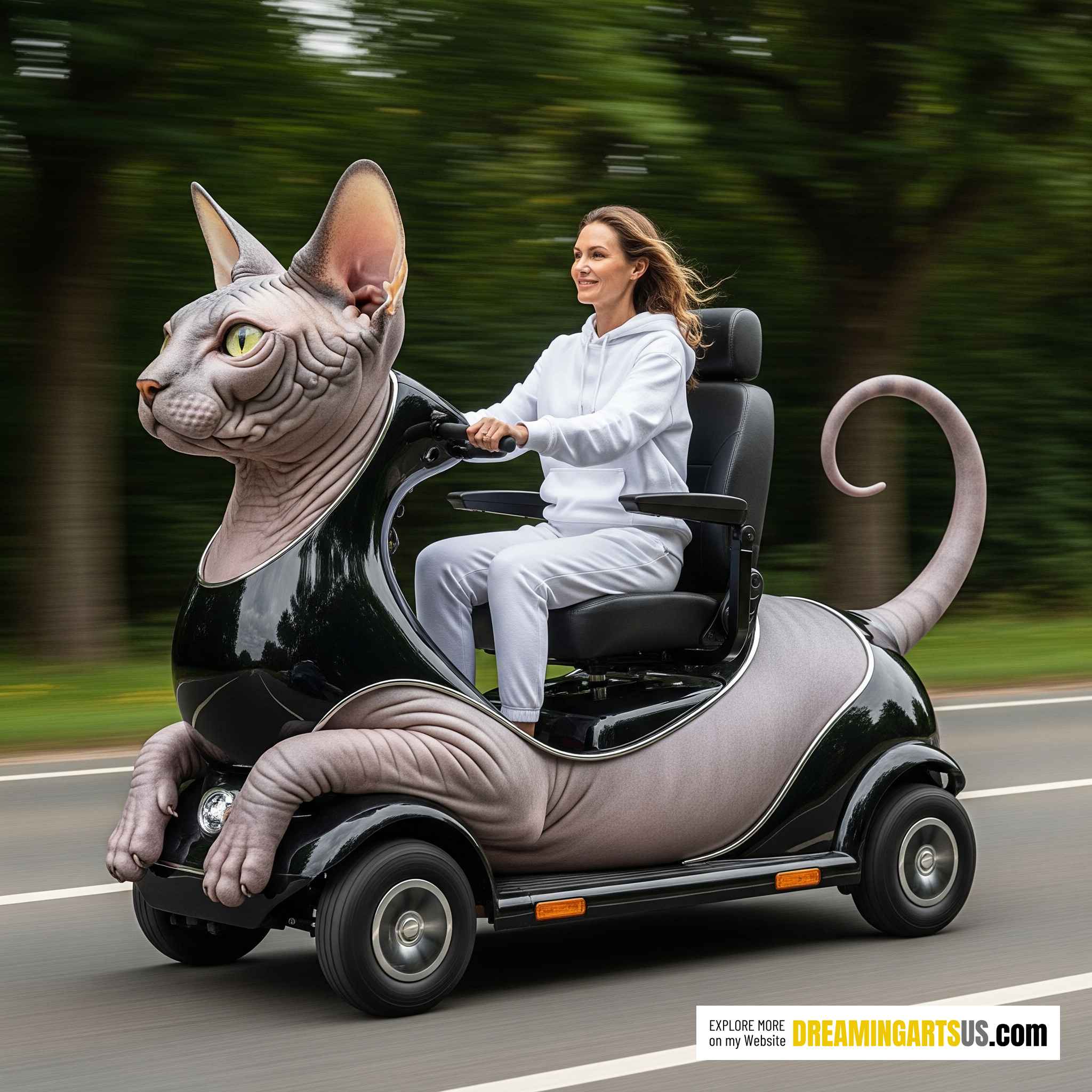
Riding a novelty vehicle that looks like your favorite dog breed is one of the most joyful ways to get around town. Dog Electric Scooters combine the practicality of an electric scooter with the playful charm of a giant plush dog, turning everyday trips into head-turning experiences.
Dog Electric Scooters are not ordinary e-scooters. They feature soft, textured exteriors shaped like popular dog breeds, complete with realistic details such as floppy ears, paws, and tails. The rider sits comfortably on the dog’s back while the electric motor and wheels handle the propulsion.

Why First-Time Riders Love Dog Electric Scooters?
Many newcomers choose Dog Electric Scooters because they feel less intimidating than traditional black or metallic scooters. The friendly dog design reduces the “serious vehicle” feeling and makes learning more enjoyable. Key advantages include:
- Soft, padded seating that feels more like sitting on a plush toy than a hard deck
- Stable three- or four-wheel bases on many models that improve balance for beginners
- Eye-catching looks that encourage slower, safer riding in shared spaces
- Built-in storage options hidden under the “fur” or in the seat area
First-time riders also appreciate that Dog Electric Scooters often come with lower top speeds (usually 15–25 km/h) compared with performance scooters, giving new users time to build confidence.
Understanding the Core Components of Dog Electric Scooters
Before buying, it helps to know the main parts that affect performance and comfort.
Motor and Power
Most Dog Electric Scooters use hub motors ranging from 350W to 800W. A 500W motor is ideal for flat city roads and mild hills. Higher wattage helps if you live in a hilly area or plan to carry extra weight.
Battery and Range
Expect lithium-ion batteries that deliver 20–45 km per charge depending on rider weight, terrain, and speed. Always check the real-world range rather than the manufacturer’s ideal figure. Fast-charging models that reach 80% in under three hours are convenient for daily use.
Wheels and Suspension
Larger wheels (8–10 inches) handle cracks and uneven pavement better. Some models add basic suspension under the seat or in the front legs to reduce vibration. Soft “paw” covers over the wheels add to the dog look while still providing grip.
Braking System
Look for dual braking (electronic + mechanical disc or drum). Electronic regenerative braking helps extend battery life and gives smoother stops, which is especially useful for first-time riders still learning throttle control.
Weight Capacity and Build
Quality Dog Electric Scooters support 100–120 kg. The frame is usually steel or aluminum hidden under the plush exterior. Check that the dog “body” is firmly attached and does not shift during turns.
Popular Styles of Dog Electric Scooters
The market currently offers several breed-inspired designs. Each has a slightly different character and seating feel.
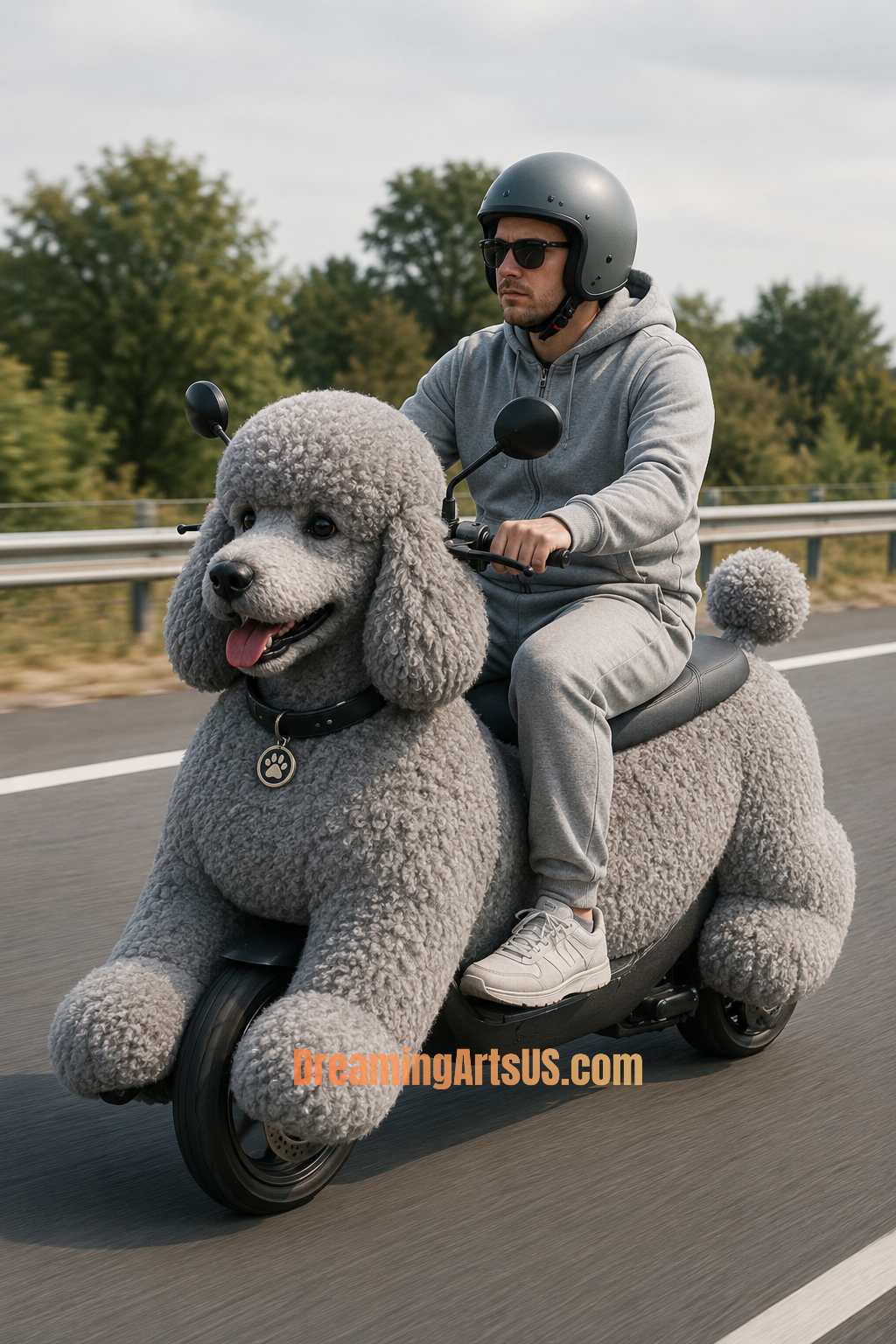
Poodle Models
These feature dense curly “fur,” a pom-pom tail, and a rounded body. The higher seat and upright posture suit taller riders. Many include side mirrors styled as the dog’s ears and a collar with a small storage pouch.
Corgi Models
Short-legged and wide-bodied, corgi scooters sit lower to the ground. This lower center of gravity makes them excellent for absolute beginners. The long body provides a stable platform and extra room for the rider’s legs.
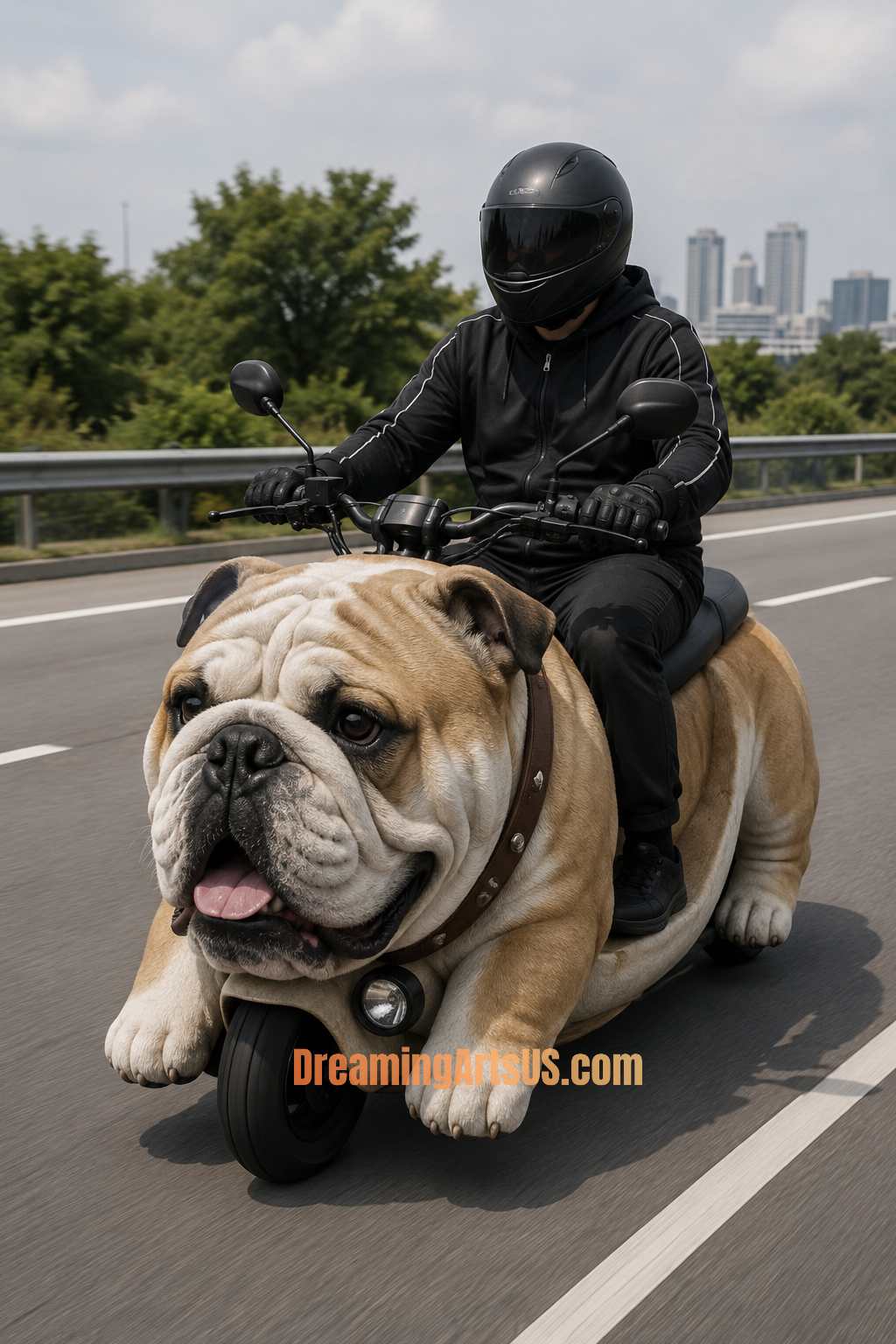
Bulldog Models
Bulldog versions emphasize a muscular, solid look. They often come with stronger motors and slightly higher weight limits. The broad chest area can hide larger batteries, giving better range.
Dachshund Models
Long and low, these scooters stretch the wheelbase for improved straight-line stability. The extended body allows a more stretched riding position that some people find more comfortable on longer rides.
Explore more options like this: Click here
When choosing among these, sit on the model if possible. The shape of the dog’s back determines how natural the riding posture feels.
Essential Features Every First-Time Buyer Should Prioritize
Not all Dog Electric Scooters are created equal. Focus on these practical points:
- IP Rating: At least IP54 for splash resistance so light rain does not ruin the electronics.
- Lighting: Front LED headlights and rear brake lights are mandatory for evening use. Some models add glowing eyes or collar lights for extra visibility and fun.
- Foldable Design: True folding mechanisms are rare because of the dog shape, but many offer removable seats or collapsible handlebars for easier storage.
- Display and Controls: A simple LCD showing speed, battery, and mode is enough. Avoid overly complicated apps if you just want to ride.
- Tire Type: Solid tires eliminate flats; pneumatic tires give a smoother ride but need occasional pressure checks.
Safety Checklist for New Riders of Dog Electric Scooters
Safety comes first, especially when the vehicle looks like a giant pet.
- Always wear a properly fitted helmet. Many riders pair the scooter with a matching style helmet for photos.
- Start in the lowest speed mode until throttle control feels natural.
- Practice in an empty parking lot or quiet residential street before joining traffic.
- Keep both hands on the handlebars; the dog shape can tempt riders to wave or pose.
- Check local regulations. Some cities classify these as electric scooters and require lights, reflectors, and age minimums.
- Never ride with a second passenger unless the model is explicitly rated for it.
Dog Electric Scooters look playful, but they are still motorized vehicles. Treat them with the same respect you would give any e-scooter.

Sizing and Fit Guide
Choosing the correct size prevents discomfort and improves control.
- Measure the height from the ground to the top of the seat when the scooter is upright. Most riders prefer a seat height that lets their feet rest flat or nearly flat when stopped.
- Check the distance from the handlebars to the seat. Arms should be slightly bent, not fully extended.
- Test the foot placement. Some dog designs have raised “paws” that force a specific stance.
- If you are between sizes, choose the model with the longer wheelbase for better stability.
Taller riders (over 180 cm) usually prefer poodle or bulldog styles. Shorter riders often feel more secure on corgi or dachshund versions.
Battery Care and Charging Habits
Proper battery habits extend the life of your Dog Electric Scooters.
- Charge after every ride rather than waiting until the battery is completely empty.
- Avoid leaving the scooter in direct sunlight or freezing temperatures for long periods.
- Use only the original charger.
- If storing for more than a month, keep the battery at around 50–60% charge.
Most batteries last 500–800 full cycles before noticeable capacity loss. Treating them kindly can give you three to five years of regular use.
Budget and What to Expect at Different Price Points
Dog Electric Scooters typically fall into three ranges:
- Entry-level ($400–$700): Basic motors, shorter range, simpler dog shapes, solid tires. Suitable for casual weekend use.
- Mid-range ($700–$1,200): Better batteries, dual brakes, more realistic detailing, improved suspension. The sweet spot for most first-time buyers.
- Premium ($1,200+): Higher power, longer range, app connectivity, superior materials, and more accurate breed proportions.
Spending a bit more usually buys better build quality and longer battery life, which matters when the scooter is also a conversation piece.
Legal and Practical Considerations
Before buying, confirm:
- Local speed and power limits for electric scooters
- Whether sidewalks or bike lanes are allowed
- Insurance requirements (some homeowners or renters policies cover them)
- Age restrictions if the scooter will be used by teenagers
Most Dog Electric Scooters fall under standard e-scooter rules, but the unusual appearance sometimes draws extra attention from police or security, so staying legal is important.
Real-World Riding Experience
First-time riders often report that the novelty factor wears off after a few weeks and the scooter becomes a practical daily tool. The soft seating reduces fatigue on longer rides compared with hard decks. The lower speeds encourage a more relaxed riding style, which many people prefer in busy urban environments.
Wind resistance is slightly higher because of the bulky body shape, so expect a small drop in range on windy days. Climbing steep hills may require more throttle than a slim scooter of the same power rating.
Common Mistakes First-Time Buyers Make
Avoid these frequent errors:
- Choosing pure looks over battery capacity
- Ignoring weight limits
- Skipping the helmet because the scooter “looks safe”
- Buying the cheapest model without checking real user reviews on range and durability
- Forgetting to measure doorway and elevator clearance if you live in an apartment
Taking time to compare specifications against your actual needs prevents disappointment.
How to Test Ride Before Buying
If a local dealer or pop-up event offers Dog Electric Scooters, take advantage. During the test:
- Accelerate gently and note how the throttle responds
- Practice emergency stops
- Turn in both directions at low speed
- Sit for several minutes to check seat comfort
- Listen for unusual motor or bearing noises
Online purchases should come with a clear return window of at least 14 days.
Find and buy similar products: Click here
Frequently Asked Questions
Are Dog Electric Scooters street legal? In most places they follow the same rules as regular electric scooters. Always verify local laws.
Can children ride them? Most manufacturers recommend ages 16+ because of speed and weight. Always supervise younger teens.
How waterproof are they? IP54 or higher models handle light rain, but avoid deep puddles and never submerge any part.
Do they require a license or registration? Usually no, unless your region has specific e-scooter licensing rules.
What is the average lifespan? With proper care, three to five years of regular use is realistic. Batteries are the first component likely to need replacement.
Choosing the right model among available Dog Electric Scooters comes down to matching the dog shape, power, range & comfort to your daily needs and local conditions. First-time riders benefit most from stable, lower-speed models with good brakes and comfortable seating. Prioritize safety gear, practice in safe areas, and maintain the scooter regularly so it stays both functional and fun.
Dog Electric Scooters turn ordinary transportation into something memorable. With the information in this guide, you can select a model that delivers reliable performance while still making people smile every time you ride past. Take your time, compare the key features listed above, and enjoy the unique experience of commuting on a giant, friendly dog.