
A mini robotic tractor lawn mower represents one of the most practical advances in residential lawn care for 2026. These compact machines combine the familiar look and stability of a small tractor with fully autonomous navigation, precise cutting, and low maintenance.
Unlike traditional disc-shaped robot mowers, a mini robotic tractor lawn mower often features a cab-like body, dual side decks, and rugged wheels that handle uneven ground more effectively.
This guide covers everything you need to evaluate, choose, and maintain a mini robotic tractor lawn mower in 2026.
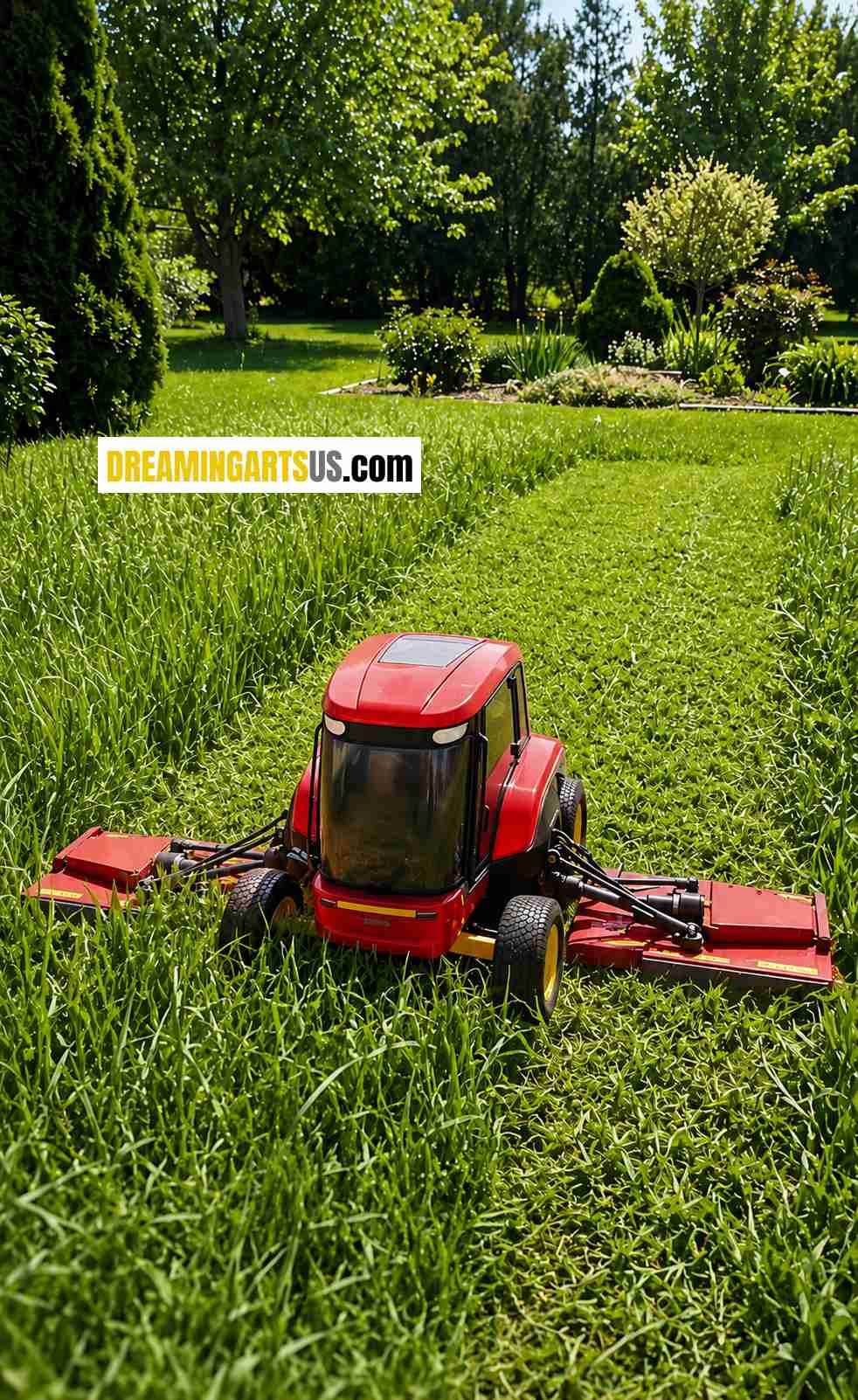
What Is a Mini Robotic Tractor Lawn Mower?
A mini robotic tractor lawn mower is an autonomous electric machine built in a scaled-down tractor form factor. It typically includes:
- A compact enclosed or semi-enclosed body
- Four wheels with strong traction (often all-wheel drive options)
- Front or side-mounted cutting decks that fold or float
- Sensors, cameras, LiDAR, or RTK GPS for navigation
- Automatic return-to-charge docking
- App control for scheduling, zones, and monitoring
The tractor styling is more than aesthetic. The higher ground clearance, wider stance, and dual-deck configuration allow better performance on slightly uneven terrain compared with low-profile circular robots. Many 2026 models add solar-assisted charging panels on the roof and weather-resistant housings rated IPX5 or higher.
These machines target lawns from roughly 400 m² to 2,000 m² (0.1–0.5 acres), though premium versions stretch further. They excel where traditional robots struggle with slopes or tight turns around flower beds.
Why Choose a Mini Robotic Tractor Lawn Mower in 2026?
Several practical advantages make the mini robotic tractor lawn mower appealing this year:
- Superior traction on mild slopes and soft ground thanks to larger wheels and optional AWD
- Dual cutting decks that increase effective width while remaining compact for storage
- Better obstacle negotiation because of the elevated body and multi-sensor suites
- Reduced grass compaction from distributed weight
- Visual presence that some owners prefer over “flying saucer” designs
- Growing availability of wire-free mapping systems that cut installation time dramatically
Battery technology has improved, so most units deliver 90–150 minutes of runtime and return automatically when depleted. Noise levels commonly stay under 60 dB, allowing daytime or early evening operation without disturbing neighbors.
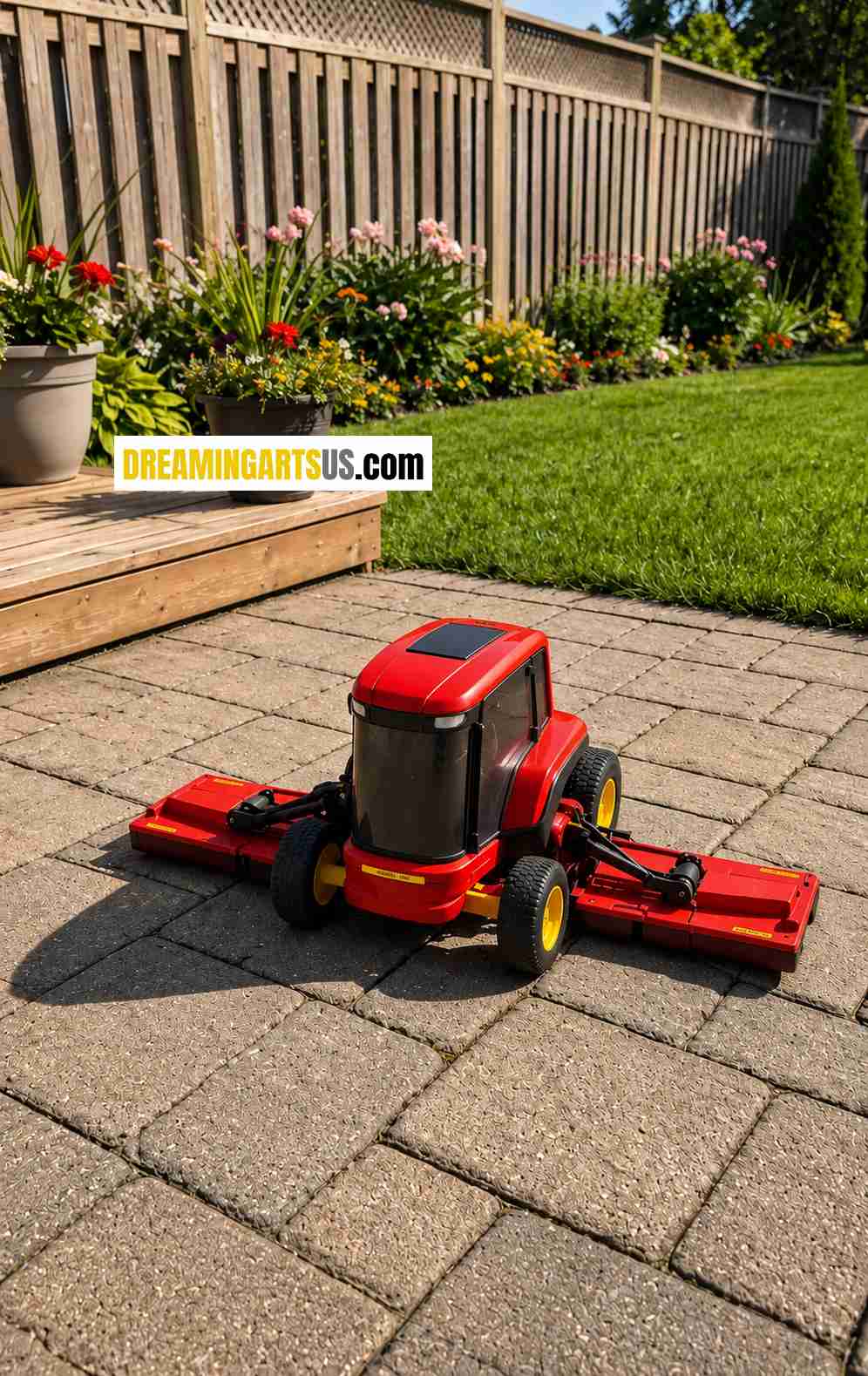
Key Features to Evaluate
When comparing options, focus on these core specifications.
Navigation and Mapping
Modern systems use combinations of:
- Vision cameras with AI object recognition
- LiDAR for precise distance mapping
- RTK GPS or network RTK for centimeter-level accuracy
- Ultrasonic or bumper sensors as backup
Wire-free models dominate new releases in 2026. They map the lawn via smartphone app in one or two walks around the perimeter. Look for multi-zone support and no-go area drawing tools.
Cutting System
Expect floating decks that follow ground contours. Blade types vary between multi-tooth discs and traditional rotary blades. Adjustable cutting heights typically range from 20–60 mm. Dual-deck designs (one on each side) improve coverage and edge closeness.
Check similar products here: Click here
Drive and Slope Handling
Two-wheel drive suits flat lawns. All-wheel drive versions handle 30–80 % slopes more reliably. Independent suspension or articulated frames further improve performance on bumpy ground.
Battery and Charging
Lithium-ion packs with smart charging are standard. Some models include solar top-up panels that extend runtime on sunny days. Charging stations should be weatherproof and ideally placeable under partial cover.
Connectivity and Safety
App control, GPS anti-theft tracking, PIN protection, lift sensors, and rain sensors are now baseline expectations. Child and pet detection via cameras has become more accurate.
Build Quality and Weather Resistance
Sealed electronics, robust plastic or composite body panels, and corrosion-resistant decks matter for multi-year outdoor use.
How to Choose the Right Mini Robotic Tractor Lawn Mower
Follow this step-by-step process.
Measure your lawn accurately. Use a measuring wheel, app, or satellite tool. Add 20 % buffer for efficiency losses around obstacles.
Assess terrain. Note maximum slope, number of trees, flower beds, and narrow passages. Steep or complex yards favor AWD and advanced vision systems.
Decide on boundary system. Wire-free is faster to install and more flexible for renters or changing layouts. Boundary wire remains slightly cheaper for simple rectangular lawns.
Set a realistic budget. Entry models start around the mid-range for basic robots. Premium tractor-style units with dual decks and strong navigation sit higher. Factor in potential accessory costs such as extra blades or a garage.
Prioritize after-sales support. Check local service availability, warranty length (ideally 2–3 years), and firmware update history.
Test app usability. Download the manufacturer’s app before purchase if possible. Clear mapping tools and reliable notifications reduce frustration.
A well-chosen mini robotic tractor lawn mower should match your largest continuous mowing area, highest slope, and preferred level of automation.
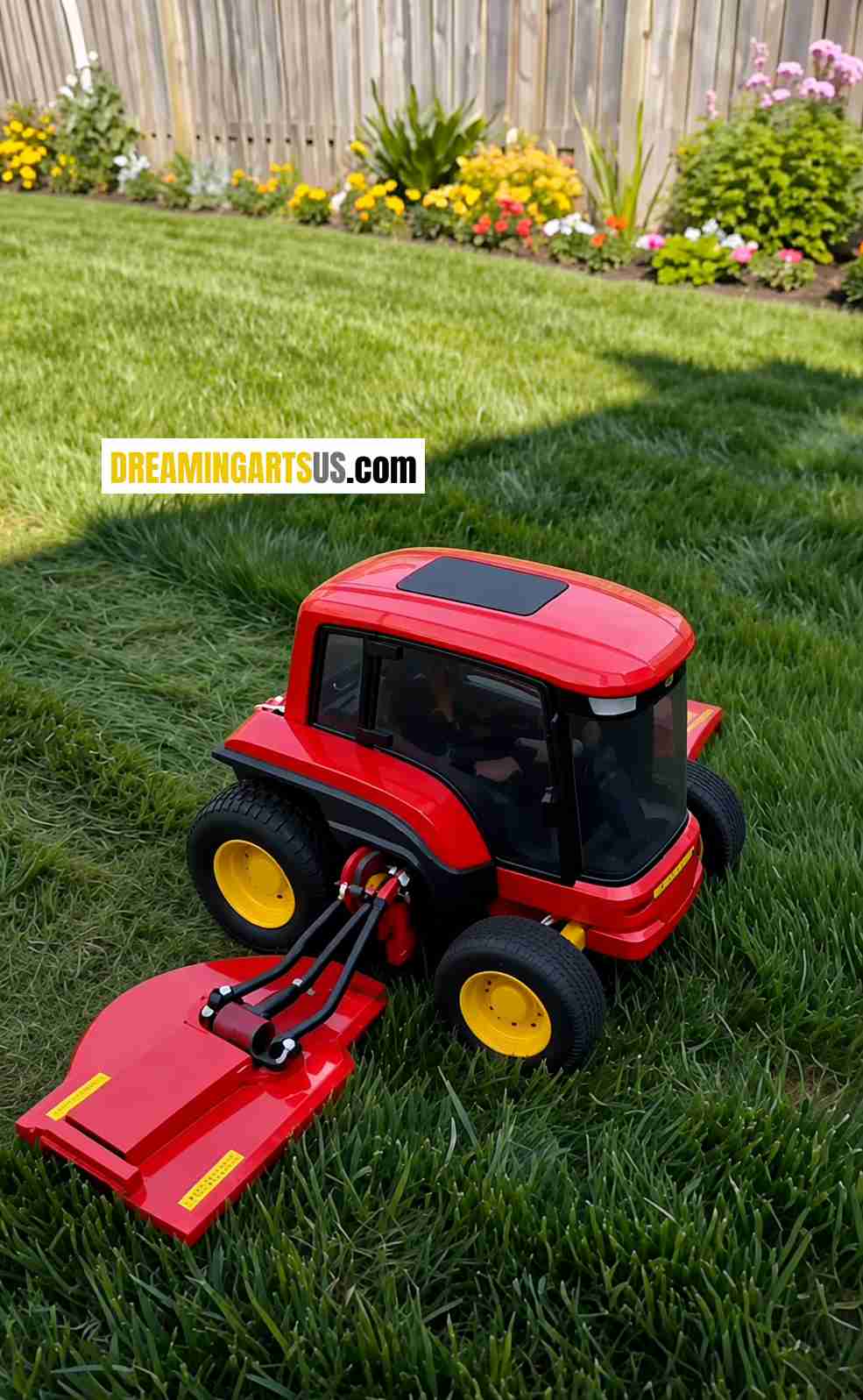
Installation and Setup Process
Most 2026 models follow a similar workflow:
- Place the charging station on firm, level ground with power access and open sky if RTK is used.
- Charge the unit fully.
- Walk the perimeter with the mower or smartphone to create the virtual boundary.
- Define exclusion zones for ponds, vegetable gardens, or play areas.
- Set cutting height, schedule, and rain delay preferences.
- Run a test cycle while supervising.
Wire-free systems often complete mapping in under an hour. Boundary-wire models require more physical work but remain straightforward for rectangular plots. Always keep children and pets away during the first few runs until you confirm reliable obstacle avoidance.
Maintenance Requirements
Routine care keeps a mini robotic tractor lawn mower performing well for years:
- Clean the underside and decks after every few cycles or when wet grass builds up
- Inspect and replace blades every 1–3 months depending on grass volume and soil grit
- Check wheel treads and clean debris from axles
- Wipe sensors and cameras regularly so navigation stays accurate
- Store under cover or use the optional garage during harsh weather or winter
- Update firmware through the app when prompted
Battery health benefits from avoiding complete discharge. Most units manage this automatically by returning to the charger at a set threshold.
Performance Expectations and Limitations
A mini robotic tractor lawn mower delivers consistent, frequent light cuts that improve turf density over time. It works best when grass is kept at a moderate height rather than left to grow long. Tall or wet grass can reduce efficiency and increase battery use.
Limitations still exist. Extremely dense leaf litter, thick thatch, or very soft mud may require occasional manual intervention. Narrow gaps under 60–70 cm can challenge some chassis widths. Very large properties beyond the rated capacity will need multiple units or hybrid manual assistance.
Noise remains low enough for suburban use, but the tractor-style body produces a slightly different sound profile than smaller disc robots—more of a steady mechanical hum than a high-pitched whir.
Comparison Considerations for 2026 Models
When evaluating specific units, compare these points side by side:
- Maximum recommended area versus real-world tested coverage
- Slope rating (percentage or degrees) and drive type
- Navigation technology and whether an external antenna or base station is required
- Cutting width and number of decks
- Runtime and recharge time
- App features and multi-zone capability
- Warranty and local service network
- Price including essential accessories
Premium models with dual floating decks and fused LiDAR + vision + RTK systems currently lead in complex yards. Simpler vision-only versions offer strong value for flatter, less obstructed lawns.
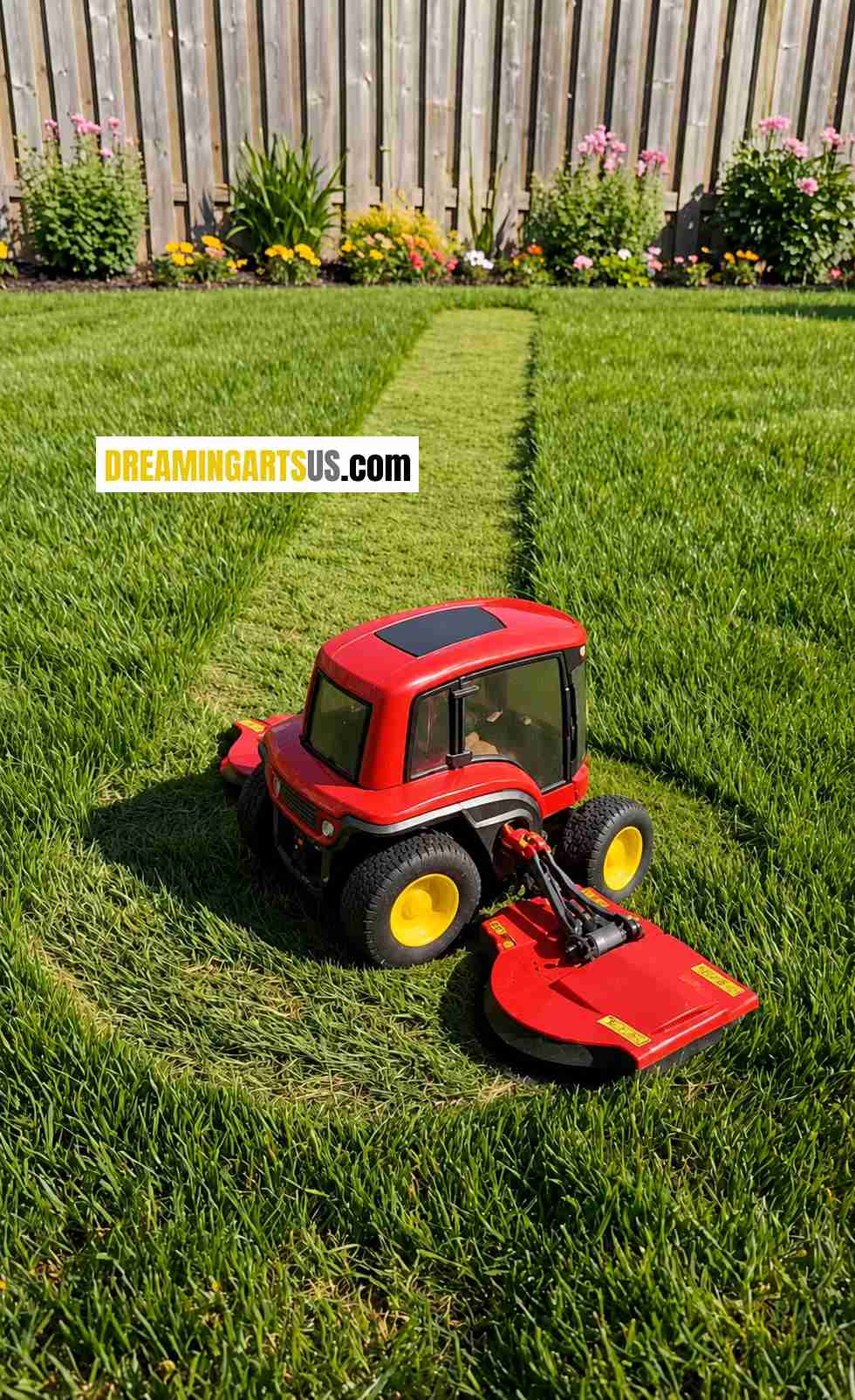
Safety and Practical Tips
Treat the machine with the same respect as any powered outdoor tool. Keep the working area free of large stones, toys, and loose hoses. Enable all safety sensors. Use the app’s scheduling tools to avoid peak pedestrian times if the lawn borders a sidewalk or driveway.
Theft protection via GPS tracking and PIN locks has become reliable. Register the device with the manufacturer and enable location alerts.
For households with pets or young children, choose models with strong AI object classification that stop or divert when detecting living beings.
Cost of Ownership Over Time
Initial purchase price is the largest outlay. Ongoing costs remain modest:
- Replacement blades (inexpensive and easy to change)
- Occasional battery replacement after several seasons
- Electricity for charging (typically a few dollars per month)
- Possible docking station or garage accessory
Compared with the time, fuel, and physical effort of a traditional walk-behind or riding mower, a mini robotic tractor lawn mower often pays for itself in convenience within one or two seasons for busy households.
Purchase similar fun designs: Click here
Common Questions About Mini Robotic Tractor Lawn Mowers
Can it handle wet grass? Most units pause in heavy rain via sensors and resume later. Light dew is usually fine.
Does it work under trees? Vision and LiDAR models cope better than pure GPS systems in heavy shade.
How close does it cut to edges? Dual-deck designs and floating skirts improve edge performance. Some still leave a small uncut strip that benefits from occasional manual trimming.
Is winter storage required? In freezing climates, bring the unit indoors or into a garage and charge it periodically.
Will it replace all mowing? For most residential lawns within its capacity, yes. Extreme conditions or very large areas may still need occasional manual work.
Future Trends Visible in 2026
Manufacturers continue refining dual-deck tractor platforms. Expect wider adoption of solid-state LiDAR, longer-lasting batteries, and tighter integration with smart-home systems. Solar-assisted charging is becoming more common on roof panels. Obstacle recognition keeps improving, reducing the chance of getting stuck on garden furniture or low branches.
The tractor form factor itself is gaining traction because it offers mechanical advantages in ground clearance and stability that pure disc designs struggle to match at similar price points.
In 2026 the mini robotic tractor lawn mower has matured into a reliable, practical choice for homeowners who want professional-looking turf without the weekly time commitment.
Measure your space, evaluate terrain, compare navigation and drive systems, and choose the model that best fits your specific conditions. Once installed and mapped, the machine handles the rest, returning to its dock when finished and ready for the next scheduled pass.
Take the time to match specifications to your property, and the mini robotic tractor lawn mower will become one of the most useful tools in your outdoor maintenance routine.

