
Automated lawn care has evolved dramatically over the last decade, transitioning from simple random-bounce trimmers into heavy-duty autonomous robotic machinery. Standing at the forefront of this revolution is the Robot Buffalo Lawn Mower, a robust, high-traction automated mower engineered to handle tough turf, uneven terrain, and large suburban landscapes with ease.
In this comprehensive guide, we will break down everything you need to know about keeping your buffalo-shaped lawnmower robot in top condition. We will cover routine mechanical servicing, cleaning techniques, chassis protection, cutting system maintenance, software updating, winterization, and actionable battery care tips to maximize your mower’s operational lifespan.
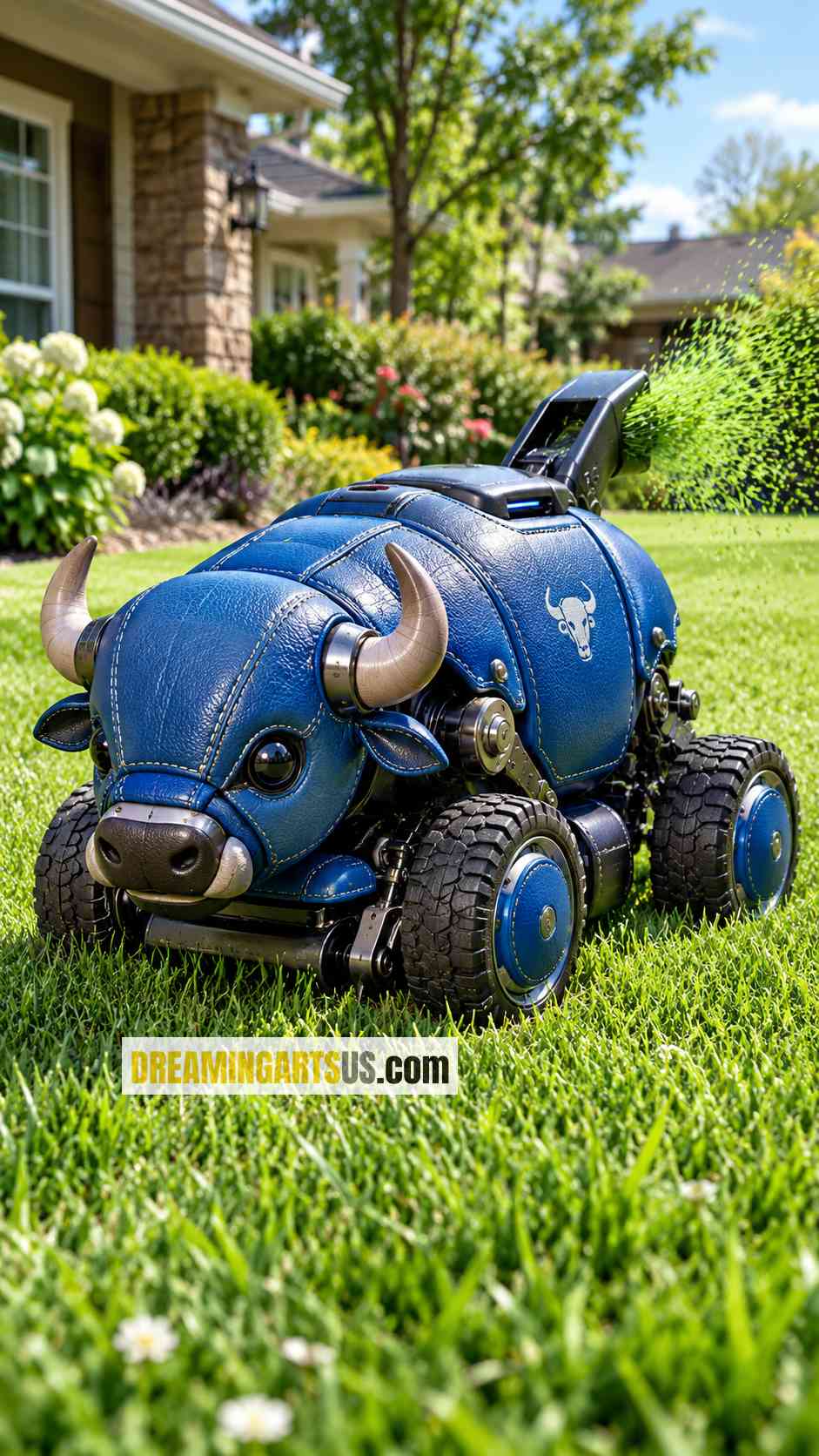
1. Understanding Your Robot Buffalo Lawn Mower
Before diving into maintenance protocols, it is essential to understand what makes the Robot Buffalo Lawn Mower unique compared to standard residential robotic mowers.
Key Features & Design Architecture
Unlike lightweight automated mowers designed solely for flat, uniform suburban lawns, the buffalo-shaped lawnmower robot features:
- Heavy-Duty Chassis: A reinforced body shell designed to withstand impact with obstacles, debris, and tough thickets.
- High-Torque All-Terrain Drive: All-wheel-drive or high-traction tread wheels that allow the Robot Buffalo Lawn Mower to climb inclines without slipping.
- Rear Discharge & Mulching System: High-RPM rotary blade decks designed to shred grass blades finely, feeding nutrients back into the soil.
- Advanced Sensor Suite: Ultrasonic obstacle detection, rain sensors, lift/tilt sensors, and GPS or RTK-NSS navigation arrays.
- High-Capacity Lithium-Ion Battery Array: Engineered to sustain multi-hour cutting cycles on demanding turf types.
Want something similar? Find out where to shop for these products at the end of the article!
Because the Robot Buffalo Lawn Mower works longer hours and handles harsher conditions than standard mowers, its mechanical and electrical components experience higher stress. Establishing a proactive care routine will keep your investment operating smoothly for years to come.
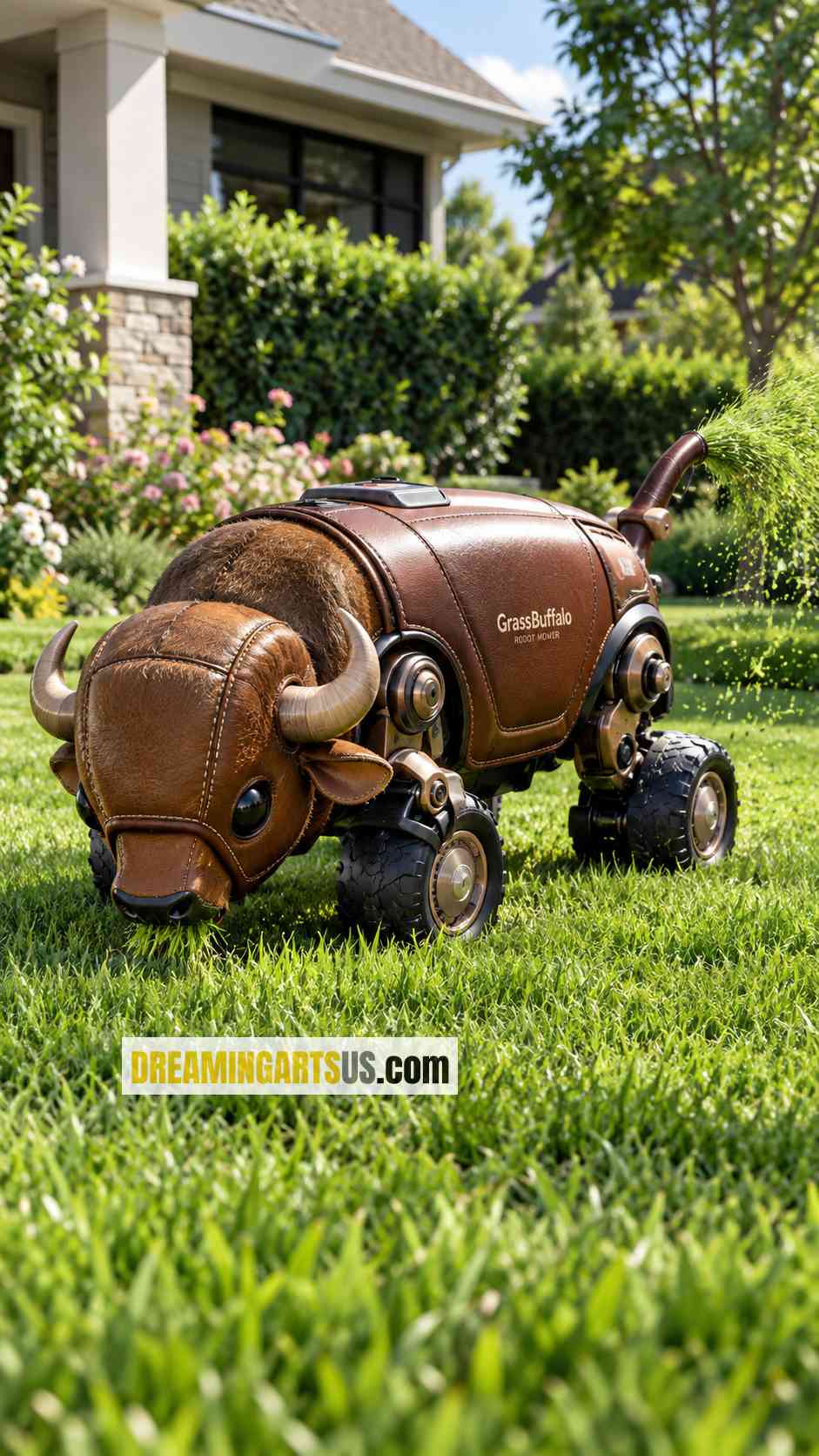
2. Daily & Weekly Care Routines
Keeping your Robot Buffalo Lawn Mower running smoothly does not require hours of daily work, but taking five minutes every few days to inspect the unit will prevent major mechanical issues down the road.
Daily Inspection Checklist
Before your unit starts its scheduled cutting cycle, perform a brief visual walk-around:
- Clear Foreign Debris: Check the yard for foreign objects such as thick fallen branches, dog toys, garden hoses, or rocks that could jam under the deck.
- Inspect the Charging Base: Ensure the charging station is free of fallen leaves, dirt buildup, or standing water.
- Verify App Notifications: Check your mobile management app to ensure no error codes or sensor warnings were triggered during the previous run.
Weekly Cleaning Protocol
Underneath the deck, cut grass, sap, and soil accumulate quickly. Grass buildup creates unnecessary drag on the cutting motor, increasing battery consumption and unevenly distributing weight.
How to clean the undercarriage safely:
- Power Off Completely: Turn off the master power switch or activate the safety lockout on your buffalo-shaped lawnmower robot before touching the underside. Always wear heavy-duty work gloves.
- Use a Stiff Bristle Brush: Turn the unit onto its side (never upside down unless specified in your manual) and brush away dry grass clippings and compacted soil from the blade deck and wheel wells.
- Avoid High-Pressure Water: NEVER use a pressure washer or direct high-pressure hose on your Robot Buffalo Lawn Mower. Pressure washers can compromise the seals around the electronic control units (ECU), wheel motors, and battery compartment. Instead, use a damp cloth or a low-pressure soft spray if moist cleaning is required.
- Clean the Sensors: Gently wipe the optical camera lenses, ultrasonic sensor ports, and rain sensors with a soft microfiber cloth. Mud or dust covering these sensors will cause navigation errors or prevent the mower from recognizing rain.
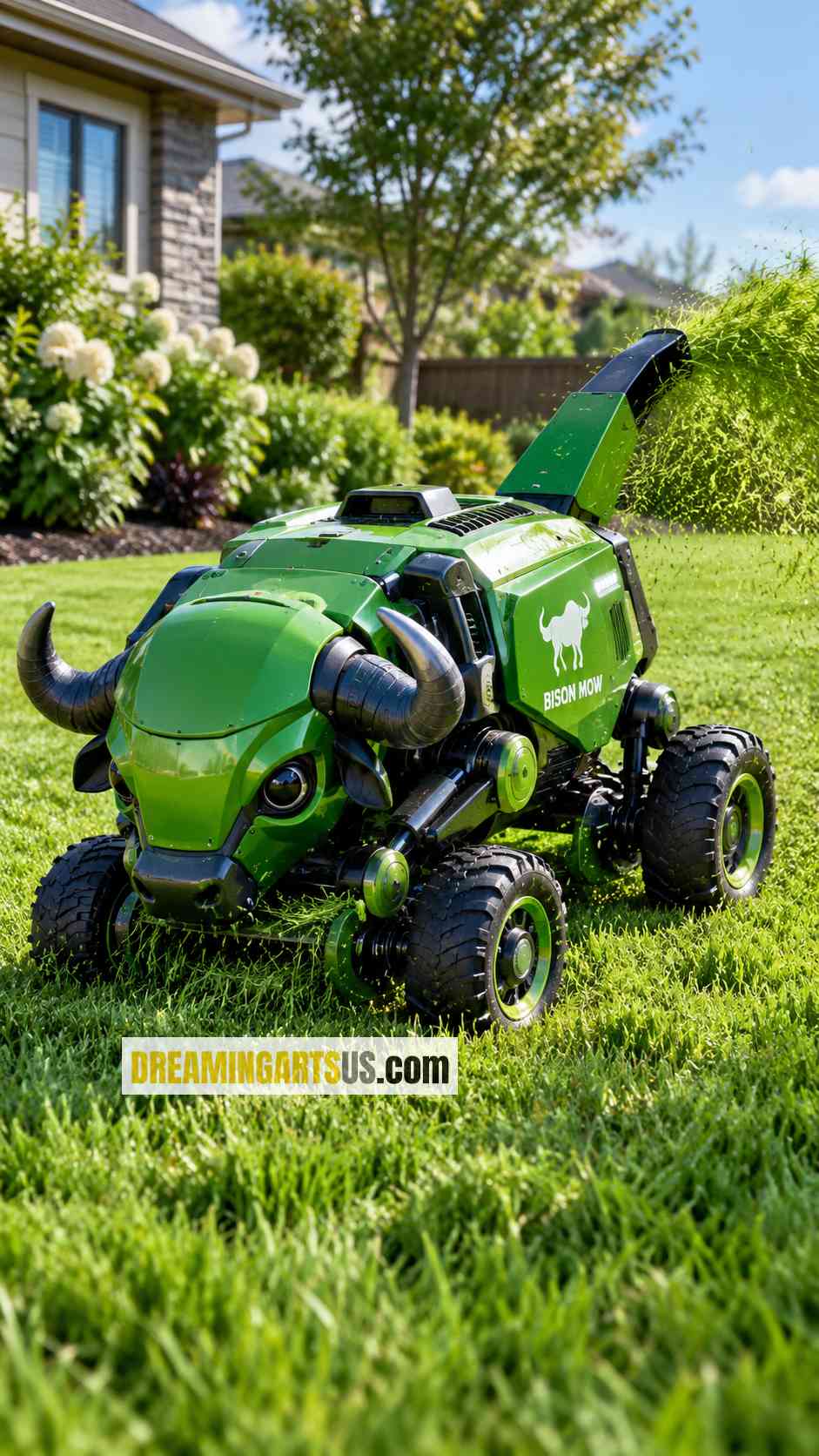
3. Cutting Deck & Blade Maintenance
The blades on your buffalo-shaped lawnmower robot are responsible for clean, razor-sharp grass cuts. Cleanly sliced grass blades heal quickly, staying green and healthy, whereas dull blades tear the grass, leading to brown tips, turf dehydration, and disease susceptibility.
Blade Types and Inspection
Most Robot Buffalo Lawn Mower models utilize a multi-blade rotating disc system equipped with small, free-swinging razor blades, or a continuous dual-steel mulching blade.
- Free-Swinging Blades: These swing outward due to centrifugal force. When they strike a hard object like a stone, they swing back to absorb impact, protecting the drive shaft.
- Solid Steel Mulching Blades: Designed for thick, tall grass, these provide maximum shredding capacity but require regular sharpening and balancing.
When to Replace or Sharpen Blades
Inspect the cutting assembly every two to four weeks during the height of the growing season.
- Signs of Dull Blades: Grass tips look frayed or white rather than cleanly sliced; the mower emits a louder humming noise during operation; battery runtime decreases significantly due to motor resistance.
- Checking for Damage: Inspect blades for chips, cracks, or bending. If a blade is cracked or severely bent, replace it immediately. A broken blade tip flying off at high speed presents a safety hazard and creates severe dynamic imbalance on the motor shaft.
Step-by-Step Blade Replacement Guide
- Safety First: Disengage the master switch on the Robot Buffalo Lawn Mower and wear protective gloves.
- Loosen Fasteners: Use the appropriate screwdriver or Allen wrench to remove the blade retaining screws.
- Clean the Mounting Plate: Remove accumulated grass paste and grit from the blade disc threads.
- Install Fresh Blades: Always replace all blades at the same time to ensure perfect rotary balance. Replace the mounting screws along with the blades, as worn screws can loosen over time under vibration.
- Tighten to Spec: Ensure the blades can swing freely (if using dynamic razor blades) or are torqued down securely (if using a fixed mulching blade).
- Test Spin: Manually spin the cutting disc to verify smooth rotation without interference.
4. Chassis, Wheels & Traction Care
Because your Robot Buffalo Lawn Mower is built to traverse rough terrain, its chassis and drive system bear the brunt of environmental wear.
Wheel & Tread Care
Traction is vital for maintaining precise GPS tracking and navigating slopes. If drive wheels fill up with mud or dense wet grass, the Robot Buffalo Lawn Mower can lose traction, leading to wheel spinning, lawn rutting, or navigation timeouts.
- Clean Treads Regularly: Use a stiff wire brush or scraper to dislodge mud, gravel, and grass packed into the wheel treads.
- Inspect Drive Hubs: Check for string, fishing line, or long grass wrapped around the axle shafts behind the wheels. Wrapped debris can cut through oil seals and ruin wheel motor bearings.
- Check Wheel Bearings: Gently rock each wheel side-to-side. If there is excessive play or grinding noises, the wheel bearings or drive gears may require lubrication or replacement.
Body Housing and Weather Sealing
The exterior housing of the Robot Buffalo Lawn Mower shields sensitive electronics from sun exposure, dew, and light rain showers.
- UV Protection: Keep the outer body clean and apply a plastic-safe UV protectant wipe once a season to keep the housing resilient against sun fading and brittle plastic breakdown.
- Gasket Inspection: Once a year, inspect the rubber perimeter seal that separates the upper shell from the lower chassis electronics bay. If you notice cracking, flattening, or seal displacement, have it serviced to maintain waterproof integrity.
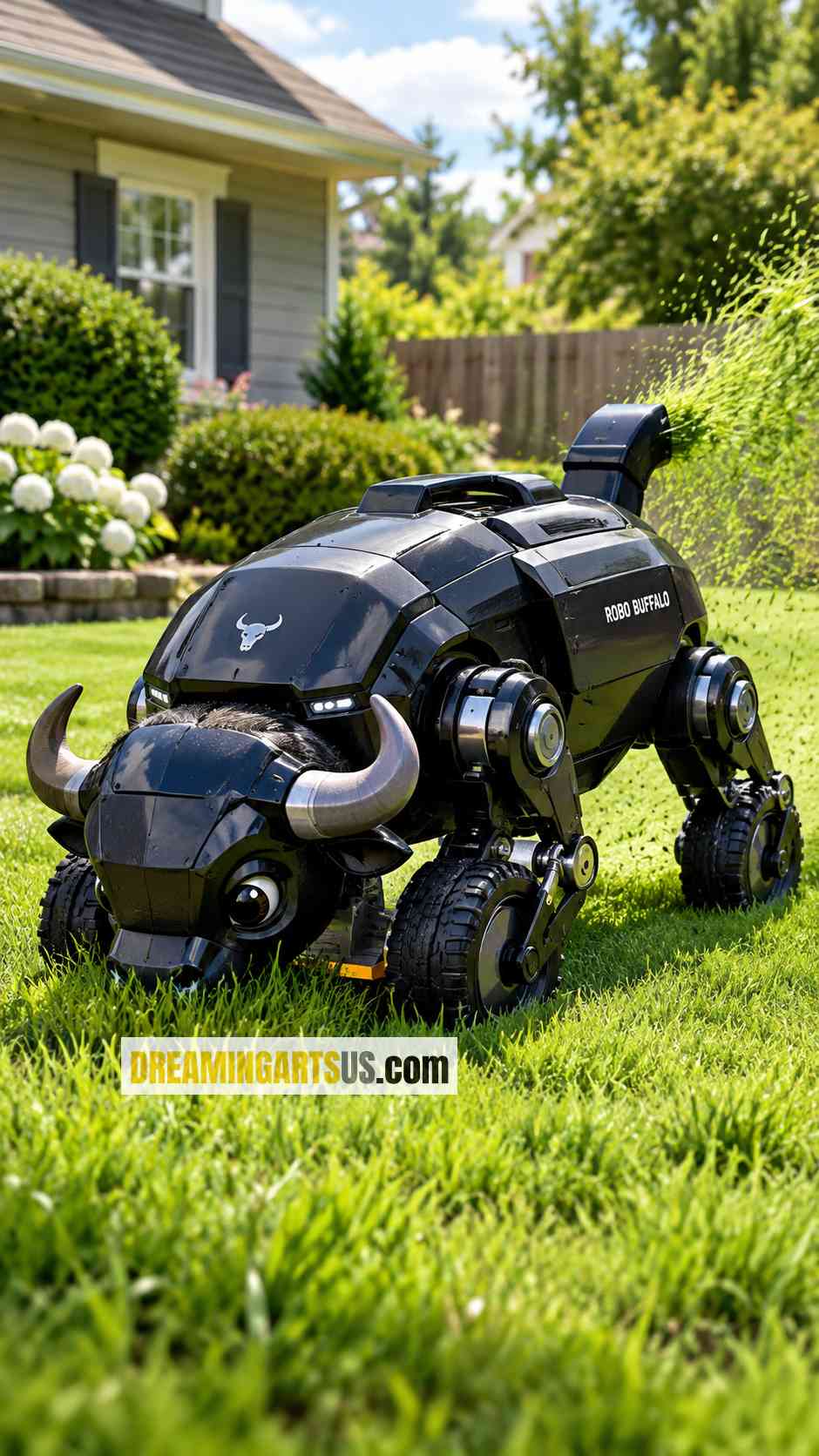
5. Battery Life Optimization & Care
The lithium-ion battery pack is the heart of your unit. It powers the drive motors, cutting disc, sensors, and wireless communication chips. Proper battery management directly dictates how many years your Robot Buffalo Lawn Mower will remain operational before requiring an expensive battery pack replacement.
How Lithium-Ion Batteries Age
Lithium-ion batteries decay over time due to heat, full discharge cycles, deep storage depletion, and high current stress. While normal capacity loss is natural over 3 to 5 years, poor care can destroy a battery in a single season.
Fundamental Battery Care Rules
To maximize the operational life of your buffalo-shaped lawnmower robot battery, follow these core principles:
1. Avoid Thermal Extremes
Heat is the Enemy: Never force your mower to charge or operate during extreme heatwaves in direct 100°F+ (38°C+) sunlight if possible. If your lawn gets intense afternoon sun, schedule mowing cycles for early morning or late evening.
Freezing Temperatures: Never charge a lithium battery when ambient temperatures fall below 32°F (0°C). Charging lithium cells under freezing conditions causes permanent lithium plating on the anode, creating internal short circuits and severe capacity loss.
2. Manage Mowing Schedules Smartly
Modern smart chargers for the Robot Buffalo Lawn Mower manage state-of-charge automatically. However, running the mower constantly on maximum cutting height on overgrown grass puts extreme current draw on the battery cells, generating internal heat.
Maintain, Don’t Over-Cut: It is far better for battery health to cut small amounts of grass frequently than to force the mower to wade through jungle-like grass once a week.
3. Keep Charging Contacts Clean
Oxidized or dirty charge terminals increase electrical resistance. High resistance causes excessive heating during charging cycles and prolongs charge times.
Polishing Contacts: Monthly, inspect the metal charging strips on both the docking station and the Robot Buffalo Lawn Mower. Clean off corrosion, dirt, or bird droppings using fine steel wool, scotch-brite pads, or contact cleaner spray.
Find and buy similar products: Click here
The Robot Buffalo Lawn Mower represents a major leap forward in effortless, autonomous turf care. By taking a proactive approach to routine cleaning, deck maintenance, blade sharping, and smart lithium battery management, you protect your investment and ensure a pristine, healthy lawn week after week.
A well-maintained buffalo-shaped lawnmower robot doesn’t just cut grass—it works quietly, efficiently, and reliably for years on end. Take care of your machine today, and let your Robot Buffalo Lawn Mower handle the hard work for seasons to come!

