Personal transportation has evolved far beyond sterile, clinical medical devices. VW Bus Mobility Scooters merge the unmistakable aesthetic of the 1960s Type 2 Microbus with modern electric drivetrain engineering. Riders no longer have to choose between functional accessibility and expressive personal style.
By examining frame geometry, battery chemistry, motor output, and regulatory classifications, prospective buyers can make an informed investment in VW Bus Mobility Scooters!
What Are VW Bus Mobility Scooters?
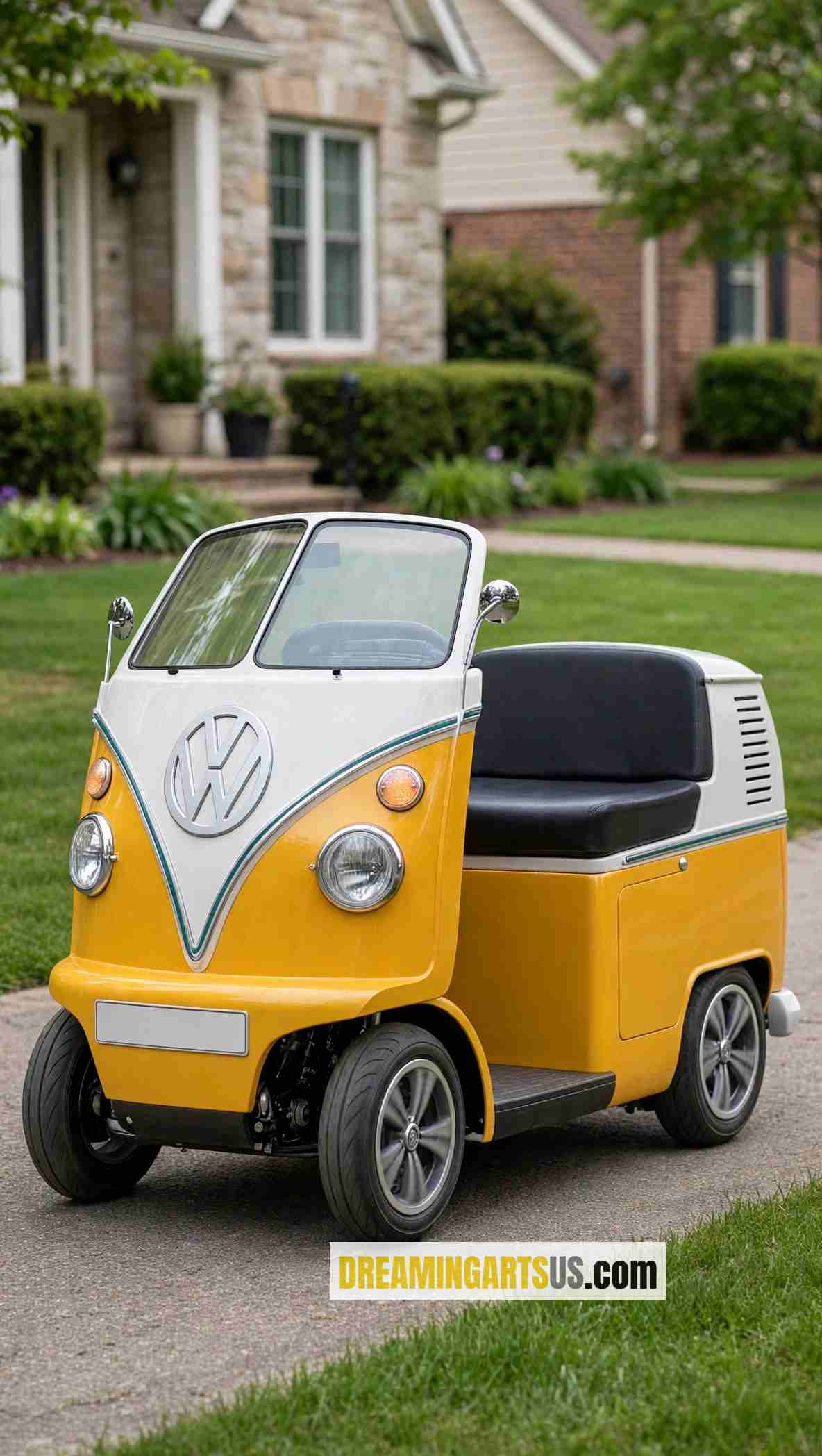
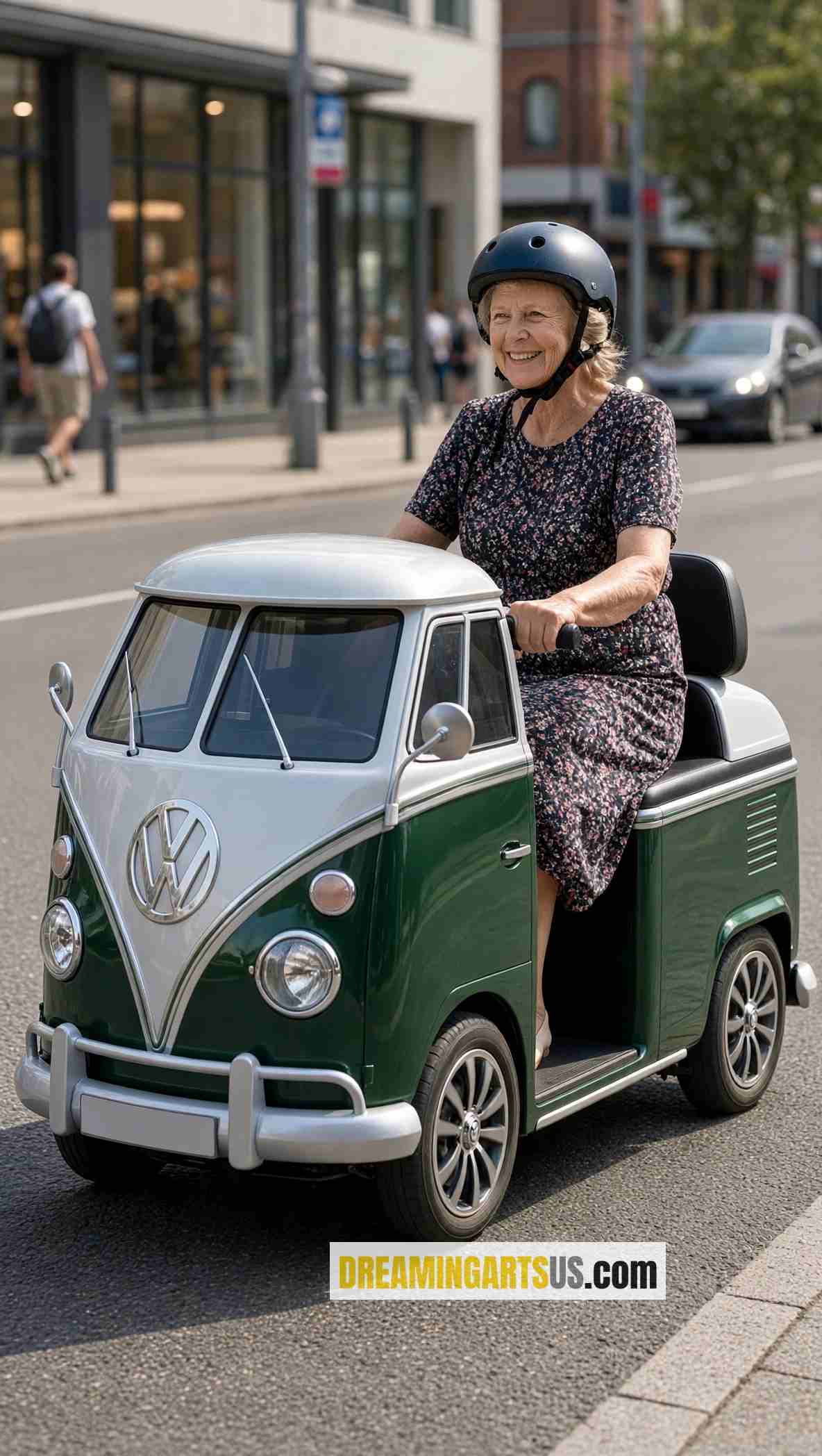
VW Bus Mobility Scooters are four-wheel electric personal transporters styled after the iconic split-windshield Volkswagen Type 2 camper van. Rather than relying on exposed tubular metal frames and generic plastic shrouds, these scooters feature sculpted fiberglass or heavy-duty ABS composite body shells.
Key visual hallmarks include:
-
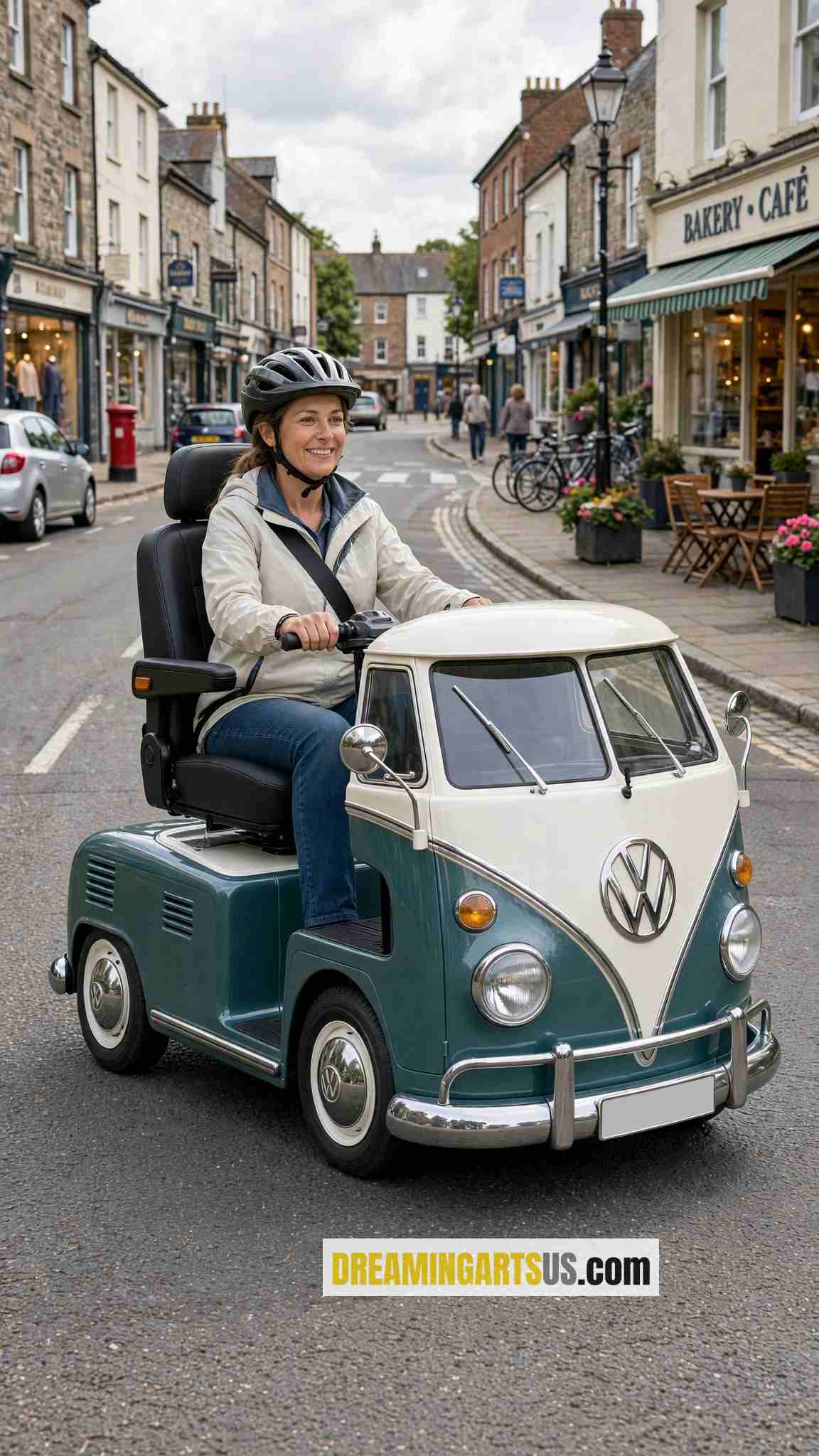
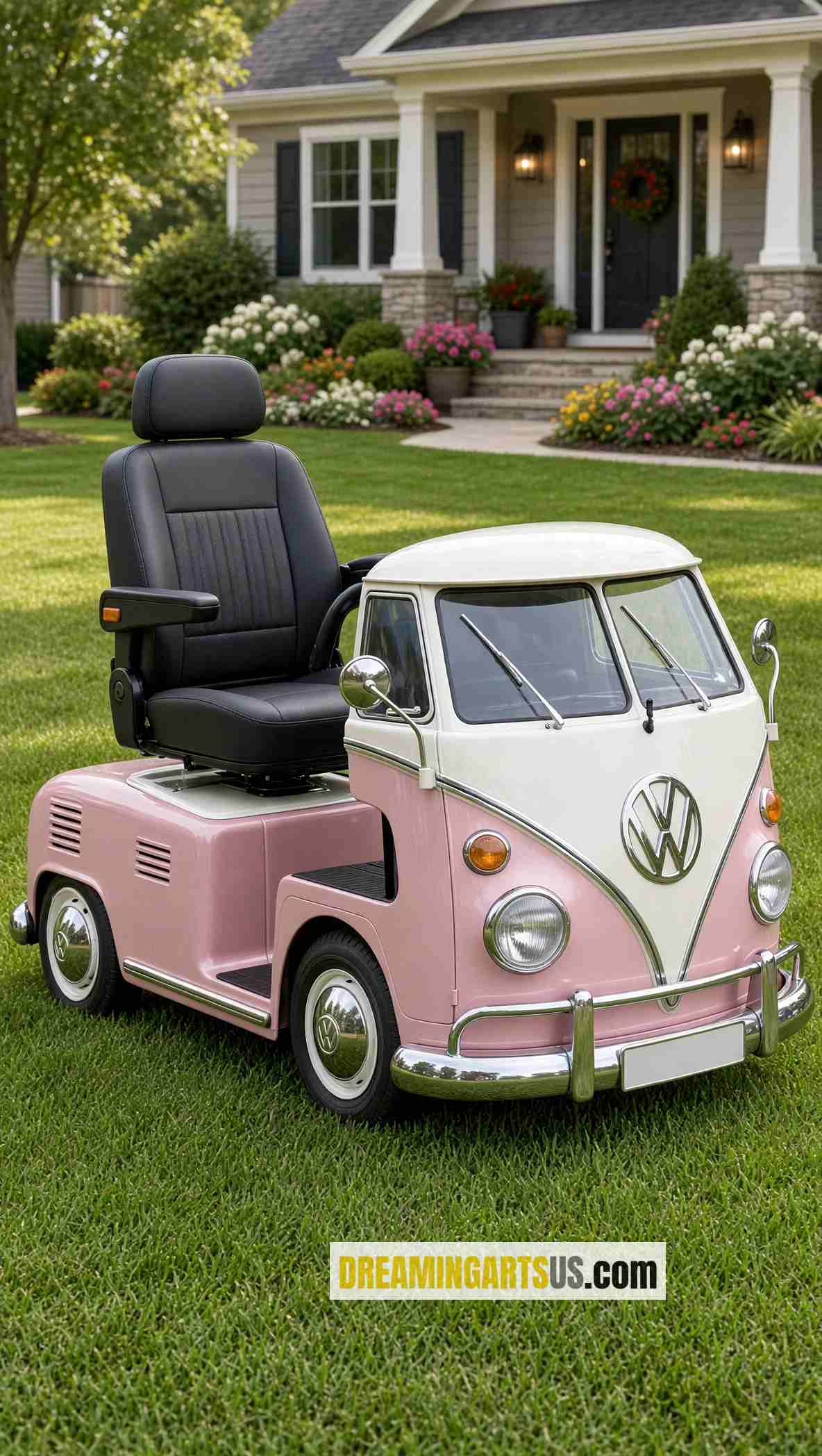
Two-Tone Paintwork: Classic color combinations such as pastel pink and cream, sage green and white, or sunflower yellow and ivory mirror original factory finishes.
-
Signature Front Fascia: The unmistakable V-shaped front molding, oversized circular emblem, split windshield cowling, and chrome-accented bumpers recreate the vintage microbus silhouette.
-
Retro Lighting and Trim: Round LED headlights, amber turn signal pods, side-view mirrors, and whitewall-style tires with chrome hubcaps complete the nostalgic aesthetic.
-
Open-Cabin Ergonomics: Despite the enclosed front nose cone, the rider sits in an open, elevated cockpit that preserves unobstructed peripheral vision and easy entry.
“For purchasing options & similar products, be sure to check the end of this article!”
Core Design and Ergonomic Features
Beyond their head-turning appearance, VW Bus Mobility Scooters prioritize rider comfort, stability, and intuitive operation. Every structural element is engineered to reduce physical strain during extended outings.
Seating and Cockpit Layout
Long-distance comfort depends heavily on posture support and ease of entry. Most models incorporate automotive-grade seating solutions tailored to diverse physical needs:
-
Swivel Captain’s Chairs: High-back upholstered seats rotate 90 to 180 degrees, allowing riders to board and exit without twisting their spine or hips.
-
Flip-Up Armrests: Padded, width-adjustable armrests fold completely out of the way for unobstructed lateral transfers from a wheelchair or walker.
-
Bench Seat Configurations: Select cruiser variants replace the single captain’s chair with a wide, cushioned bench seat capable of accommodating a rider and a small pet or extra cargo.
-
Low Step-Through Deck: A flat, anti-slip floorboard positioned close to the ground eliminates the need to lift feet over high structural sills.
Steering and Control Interfaces
Operating the scooter requires minimal upper-body strength or fine motor dexterity:
-
Delta Tiller Handlebars: Wrap-around ergonomic handlebars allow steering with either hand or even the forearms.
-
Wig-Wag Paddle Controls: Intuitive thumb or finger levers control forward acceleration and reverse movement without requiring wrist twisting.
-
Digital Instrument Cluster: A backlit dashboard display shows real-time speed, battery voltage, odometer mileage, and turn-signal indicators.
-
Variable Speed Dial: A rotary speed limiter lets riders cap maximum velocity when transitioning from open bike paths to crowded indoor shopping centers.
Technical Specifications and Performance
Evaluating the underlying hardware of VW Bus Mobility Scooters separates novelty toys from reliable daily transportation. High-grade electrical and mechanical components ensure consistent torque on inclines and dependable braking in wet conditions.
Motor Power and Drivetrain
Electric hub motors or transaxle brush/brushless motors drive the rear wheels for optimal traction:
-
Standard City Motors (350W to 500W): Ideal for flat sidewalks, indoor malls, and paved neighborhood paths, delivering smooth acceleration without abrupt jerks.
-
Heavy-Duty Torque Motors (800W to 1000W+): Built for hilly terrain, gravel park trails, and higher payload capacities, easily climbing 12-to-15-degree inclines without stalling.
-
Sealed Transaxle Assemblies: Maintenance-free gearboxes eliminate chains, belts, and oil changes while operating nearly silently.
Battery Chemistry and Driving Range
Battery capacity dictates how far you can travel between charges and how long the power pack lasts over years of service:
-
Sealed Lead-Acid (SLA / AGM) Packs: Typically configured as 48V or 60V systems (using four or five 12V 20Ah batteries). They keep upfront purchase prices lower and perform reliably in moderate climates, offering 15 to 22 miles per charge.
-
Lithium-Ion (LiFePO4) Upgrades: Lighter, faster-charging, and rated for 1,500 to 2,000+ charge cycles. Lithium packs extend single-charge range to 30 to 40+ miles and often feature removable cases for convenient indoor charging.
-
Regenerative Braking Systems: Many modern controllers recapture kinetic energy during deceleration, slightly extending range and reducing brake pad wear.
Speed, Braking, and Suspension
Control and ride quality rely on well-matched chassis hardware:
-
Top Speed Tiers: Pedestrian-legal models cap speeds at 4 to 8 mph, while recreational cruiser editions reach 12 to 15 mph.
-
Electromagnetic Failsafe Brakes: Automatically engage the moment the rider releases the throttle paddle, holding the scooter stationary even on steep ramps.
-
Hydraulic Disc or Drum Brakes: High-speed variants include handlebar-mounted brake levers for rapid emergency stopping.
-
Independent Coil-Over Suspension: Front and rear shock absorbers dampen vibrations from cracked pavement, brick walkways, and curb cutouts.
-
Pneumatic vs. Solid Tires: Air-filled tires provide superior cushioning over rough terrain, whereas foam-filled solid tires guarantee zero flat tires.
Safety Systems and Accessibility Enhancements
Riding in public spaces demands high visibility and predictable handling. Manufacturers equip VW Bus Mobility Scooters with comprehensive safety suites to protect riders and pedestrians alike.
Visibility and Signaling
-
High-Output LED Headlights: Illuminate dark pathways at dusk while drawing minimal power from the main battery pack.
-
Integrated Brake Lights and Turn Signals: Alert surrounding foot traffic and cyclists to upcoming turns or stops.
-
Dual Rearview Mirrors: Chrome-plated side mirrors provide clear sightlines behind the rider without requiring neck strain.
-
Audible Horn and Reverse Beeper: A crisp automotive-style horn warns distracted pedestrians, while an automatic chime signals backing maneuvers.
Stability and Anti-Tip Engineering
-
Wide Wheelbase Geometry: Placing the four wheels at the outer corners of the chassis lowers the center of gravity and resists body roll during sharp turns.
-
Rear Anti-Tip Rollers: Small auxiliary wheels mounted behind the rear axle prevent backward tipping when ascending steep wheelchair ramps.
-
Automatic Cornering Speed Reduction: Smart controllers gently limit power when the tiller is turned sharply, preventing sudden lateral shifts.
-
Lap Seatbelts and Keyed Ignitions: Retractable safety belts secure riders over bumpy terrain, while physical key fobs or NFC cards prevent unauthorized use.
Comprehensive Buying Guide
Purchasing VW Bus Mobility Scooters requires careful evaluation of your daily environment, physical measurements, and vendor support. Follow this step-by-step checklist before placing an order.
1. Assess Your Primary Riding Environment
-
Indoor and Shopping Mall Use: Prioritize compact dimensions (under 56 inches long), non-marking tires, and precise low-speed throttle control.
-
Neighborhood Sidewalks and Parks: Look for 10-to-12-inch pneumatic tires, full suspension, and at least 4 inches of ground clearance to handle sidewalk cracks and grass verges.
-
Hilly Communities and Long Errands: Insist on an 800W+ brushless motor and a 48V/60V lithium battery pack to maintain steady climbing speeds without battery sag.
2. Verify Body Fit and Ergonomics
-
Seat Width and Depth: Ensure at least 1 to 2 inches of clearance on either side of your hips while seated in heavy winter clothing.
-
Legroom and Tiller Reach: Sit upright with your back against the lumbar cushion; your knees should bend comfortably at 90 degrees without hitting the inside of the front cowling.
-
Weight Capacity Margin: Choose a scooter rated at least 50 pounds above your combined body weight and typical grocery load to preserve motor longevity and battery range.
3. Plan for Storage, Charging, and Transport
-
Home Garage or Shed Access: Measure doorway widths and ensure a grounded 110V/220V household outlet is within reach of the parking spot.
-
Weather Protection: If storing outdoors under a carport, invest in a waterproof, breathable UV cover to protect the glossy finish and dashboard electronics.
-
Vehicle Transport Solutions: Because these scooters do not fold flat, transporting them in a car requires a hitch-mounted hydraulic lift carrier, a small utility trailer, or a full-size ramp van.
4. Inspect Warranty Coverage and Parts Availability
-
Frame Warranty: Look for a minimum 3-to-5-year structural warranty on the steel chassis.
-
Electronics and Motor Coverage: Standard coverage should span 1 to 2 years for the controller, transaxle, and wiring harness.
-
Battery Warranty: Confirm separate coverage (typically 6 to 12 months for SLA batteries and 2 to 3 years for lithium packs).
-
Service Network: Verify whether local mobility repair technicians can service standard components like tires, brakes, and batteries without needing proprietary factory tools.
Check similar products here: Click here
Frequently Asked Questions
1. How fast do VW Bus Mobility Scooters go?
Most VW Bus Mobility Scooters reach top speeds of 4 to 8 mph for sidewalk use, while recreational cruiser editions reach up to 15 mph.
2. Are VW Bus Mobility Scooters street legal?
In most areas, VW Bus Mobility Scooters are permitted on sidewalks and bike lanes without a license, though local speed limits and helmet rules apply.
3. How far can VW Bus Mobility Scooters travel on one charge?
Depending on battery chemistry, VW Bus Mobility Scooters travel 15 to 22 miles with lead-acid batteries or up to 40 miles with lithium-ion upgrades.
Investing in VW Bus Mobility Scooters transforms everyday mobility from a clinical necessity into an enjoyable lifestyle upgrade. By balancing iconic 1960s charm with modern electric reliability, ergonomic seating, and dependable safety engineering, these scooters empower riders to explore their communities with independence and pride.
Focus on reputable dealers, verify exact motor and battery specifications, and choose a trim package tailored to your daily terrain to enjoy years of smooth, head-turning rides!