
Nature-inspired design has taken the world of architecture and interior décor by storm, and among its most captivating elements stands the Wood Slab Staircase — a breathtaking blend of craftsmanship, artistry, and organic beauty. For homeowners seeking to bring the tranquility of the forest indoors, this design trend offers far more than a means to move between floors. It’s a sculptural centerpiece that celebrates the raw textures of wood and the serene presence of natural form.
Whether nestled in a mountain lodge, a lakeside retreat, or a modern urban residence, a live edge wood staircase can transform an ordinary space into a sanctuary of warmth and sophistication. Let’s explore what makes this staircase so enchanting, how it’s built, and why it’s fast becoming a signature feature in high-end homes around the world.
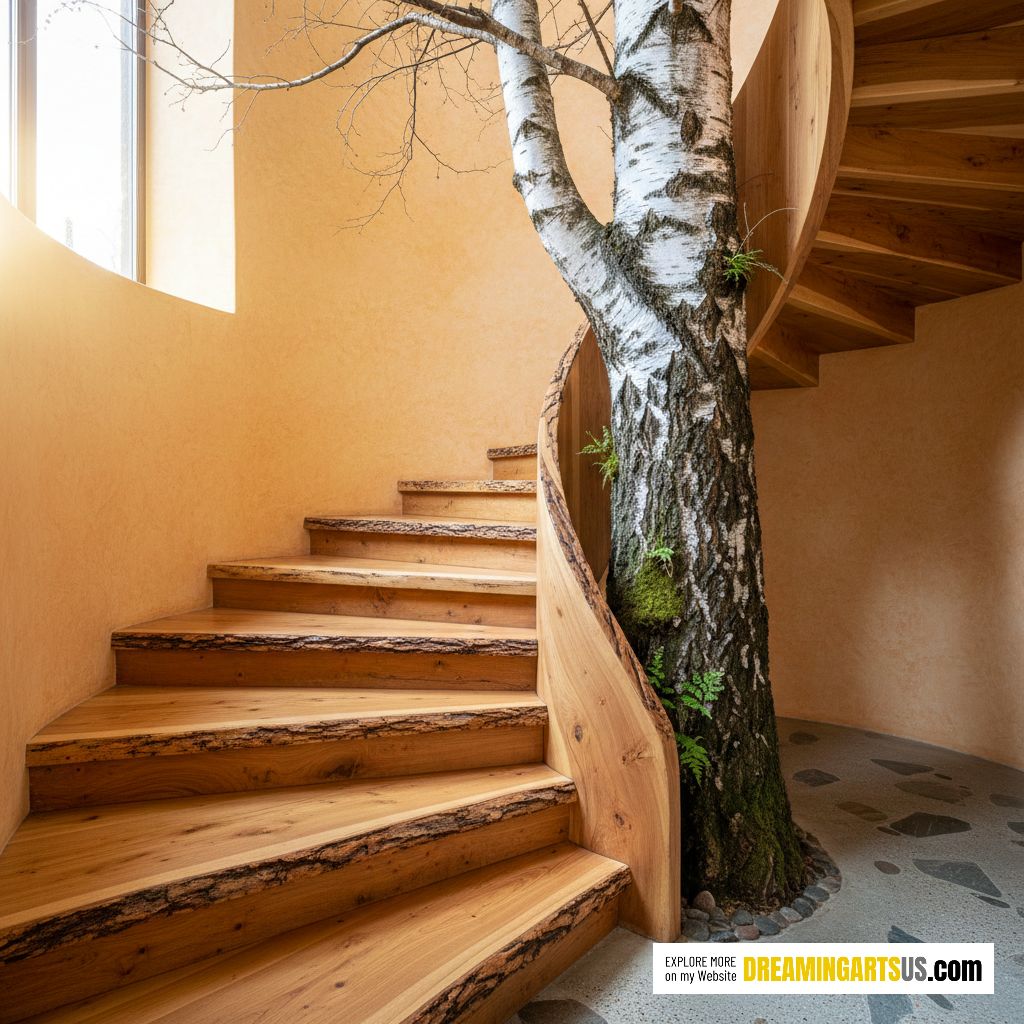
The Essence of a Wood Slab Staircase
At its heart, a Wood Slab Staircase is an architectural ode to authenticity. Unlike mass-produced wooden steps, each slab is sourced from a single, solid piece of timber — often from species like oak, walnut, birch, or cedar. The edges retain their natural contours, known as “live edges,” preserving the organic beauty of the tree from which they were cut.
Instead of hiding imperfections, the design embraces them. Knots, grain variations, and bark textures become part of the artistic expression. Each step tells a story — a slice of nature frozen in time — blending raw natural charm with refined craftsmanship.
These staircases often pair wood with other materials such as wrought iron, glass, or stone, creating a stunning balance between rustic appeal and modern minimalism.
Design Philosophy: Where Nature Meets Architecture
The live edge wood staircase exemplifies a movement toward biophilic design — the practice of incorporating natural elements into built environments to improve well-being and connection with nature. In luxury homes, this philosophy translates into staircases that appear to grow organically within the space.
Some designs spiral gracefully around a central tree trunk, as if the staircase were embracing nature itself. Others are suspended, floating delicately to create a sense of lightness. The outcome is a seamless integration of architecture and landscape — an interior feature that feels alive.
Architects often design these staircases with large windows or skylights nearby, allowing sunlight to spill across the natural grain, enhancing the depth and warmth of the wood. The result is not just a staircase, but a living art form.
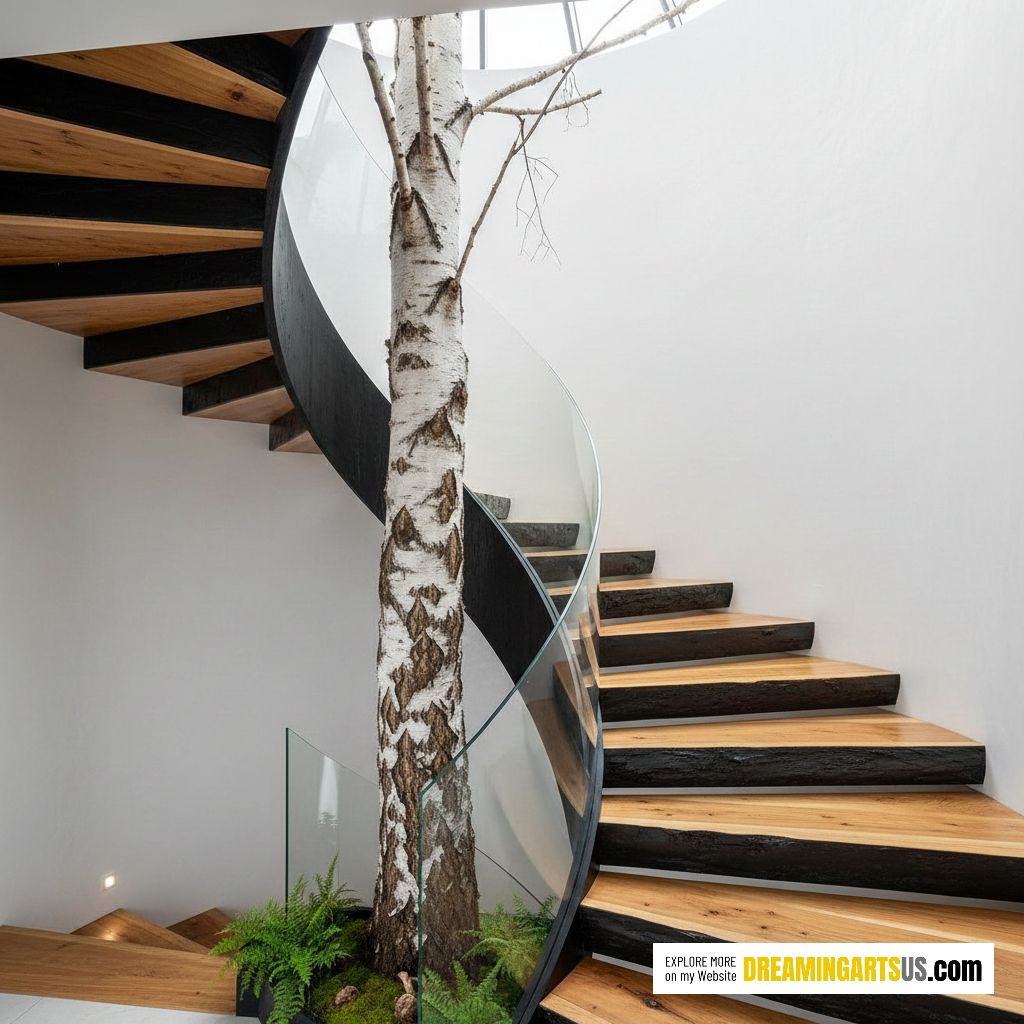
Materials: Choosing the Right Wood for Luxury Appeal
When building a Wood Slab Staircase, the choice of timber is crucial. Each species offers its own character, texture, and tone:
-
White Oak: Known for its durability and fine grain, white oak gives a timeless and elegant appearance. It works beautifully in both modern and rustic homes.
-
Walnut: Deep brown hues and striking grain patterns make walnut a luxurious choice for a rich, dramatic aesthetic.
-
Birch: A lighter, smoother wood, birch is perfect for contemporary settings that crave minimalism and brightness.
-
Cedar: With its warm tones and aromatic qualities, cedar adds both scent and soul to your living space.
-
Reclaimed Wood: For those who value sustainability, reclaimed slabs offer an eco-friendly choice that carries history and authenticity.
Each piece of wood is carefully kiln-dried and treated to resist warping, ensuring that your Wood Slab Staircase not only looks stunning but lasts for decades.
Craftsmanship: The Art of Handcrafted Perfection
Creating a Wood Slab Staircase requires extraordinary craftsmanship. Unlike standard stairs that rely on uniform dimensions, each slab must be individually measured, cut, and finished by hand to preserve the natural edge.
Artisans carefully sand and oil each surface, highlighting the unique grain patterns. The bark edge is often stabilized with resin or clear epoxy to prevent wear while maintaining its rugged look. Metal brackets or hidden supports are engineered to provide stability without disrupting the organic flow of the design.
The craftsmanship behind each live edge wood staircase transforms a functional structure into an heirloom piece of architectural art. Every step invites touch, admiration, and reflection.
Integration of Tree-Inspired Elements
Some of the most breathtaking Wood Slab Staircase designs incorporate actual tree trunks as central supports — creating the illusion of a staircase spiraling around a living tree. These designs evoke a deep emotional connection to the forest and bring a grounding natural energy into the home.
Whether real or sculpted, the “tree spine” gives a sense of continuity, as if the structure itself has grown from the earth. It also serves as a powerful reminder of sustainable design — respecting and celebrating nature rather than concealing it.
Aesthetic Versatility: From Rustic to Contemporary
The Wood Slab Staircase isn’t confined to one design style. Its beauty lies in adaptability:
-
Rustic Mountain Lodges: Wide planks with live edges, knots, and bark textures create a cozy, handcrafted feel.
-
Modern Minimalist Homes: Smooth, matte finishes combined with glass railings highlight simplicity and purity.
-
Scandinavian Interiors: Light-toned woods paired with white walls capture an airy, natural aesthetic.
-
Industrial Lofts: Pairing raw slabs with metal frames or exposed steel enhances contrast and visual drama.
No matter the setting, the staircase becomes the focal point — the heart of the home that blends strength, elegance, and nature in perfect balance.

Benefits of Choosing a Wood Slab Staircase
1. Unmatched Natural Beauty
Every live edge wood staircase is one of a kind. No two wood grains or edges are ever identical, giving your home a sense of individuality that can’t be replicated.
2. Longevity and Strength
Solid wood slabs are built to last. With proper care, they age gracefully — the patina deepening over time, adding warmth and character to your interiors.
3. Eco-Friendly Design
Opting for sustainably sourced or reclaimed wood helps reduce environmental impact. It’s a conscious design choice for those who care about both aesthetics and ecology.
4. Biophilic Comfort
Studies show that natural materials like wood reduce stress and create a sense of well-being. A Wood Slab Staircase doesn’t just beautify your home — it enhances your mood and daily experience.
5. Timeless Appeal
Trends come and go, but wood’s organic charm never fades. Your Wood Slab Staircase will remain stylish for generations.
Maintenance and Care Tips
Maintaining your Wood Slab Staircase ensures it remains as stunning as the day it was installed. Here are key care recommendations:
-
Clean Gently: Use a soft, damp cloth or a mild wood cleaner. Avoid harsh chemicals that can strip natural oils.
-
Refinish Periodically: Depending on traffic, apply oil or protective finishes every few years to restore sheen and protect against scratches.
-
Control Humidity: Keep indoor humidity stable (around 40–60%) to prevent expansion or contraction of the wood.
-
Protect from Direct Sunlight: Excessive UV exposure can fade certain wood species. Use window treatments to preserve color and tone.
-
Inspect Annually: Check for loose steps or minor cracks to ensure safety and stability.
Proper maintenance extends the life of your staircase, keeping it strong and beautiful for decades.
Customization Options for High-End Homes
Homeowners can personalize every aspect of their live edge wood staircase:
-
Shape: Straight, curved, or helical — each option offers a distinct spatial effect.
-
Railing Material: From glass and wrought iron to polished brass or stainless steel, the railing defines the overall character.
-
Finish: Choose between matte, satin, or glossy finishes to match your interior palette.
-
Lighting Integration: LED strips under each tread or along the railing add a modern touch and highlight the natural grain.
-
Tree Integration: Incorporate a preserved or sculpted trunk for a truly organic architectural statement.
Customization ensures that no two Wood Slab Staircases are ever alike — each becomes an expression of its owner’s personality and taste.
Installation Considerations
While a Wood Slab Staircase can be installed in nearly any type of home, professional engineering and installation are critical for safety and longevity.
The process typically involves:
-
Site Evaluation – Assessing space dimensions, load-bearing capacity, and lighting.
-
Structural Design – Creating a 3D model that aligns aesthetics with functionality.
-
Material Selection – Choosing slabs based on thickness, species, and moisture stability.
-
Crafting & Assembly – Each piece is handcrafted and pre-fitted before final installation.
-
Finishing & Sealing – Applying eco-friendly finishes to enhance protection and beauty.
Homeowners investing in a Wood Slab Staircase are encouraged to collaborate closely with skilled artisans or architects specializing in custom timber work.
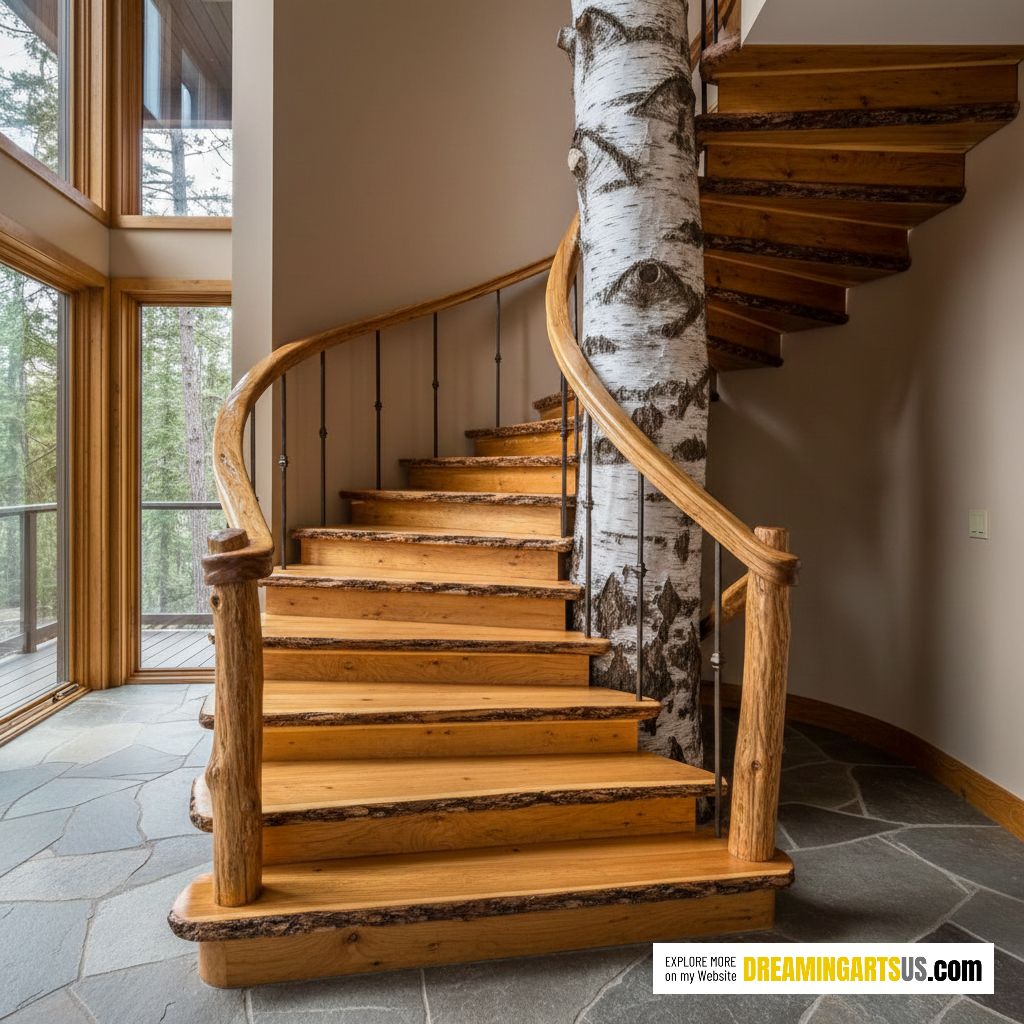
Price Range and Investment Value
The cost of a Wood Slab Staircase varies depending on materials, craftsmanship, and design complexity. As of 2025, luxury installations typically range between $15,000 to $60,000 or more for custom designs featuring live edges, integrated lighting, or tree elements.
Link to buy similar products: Click here
Though the initial investment is significant, it dramatically increases property value and aesthetic appeal. In high-end homes, such staircases often become defining features that captivate buyers and visitors alike.
Why It’s Perfect for High-End Homes?
Luxury is no longer defined by gold fixtures or marble floors alone — it’s about authenticity and emotion. The live edge wood staircase embodies both.
It creates an atmosphere of calmness, craftsmanship, and connection to nature — qualities that resonate deeply with today’s homeowners seeking refuge from the digital rush. It also aligns with sustainability values, blending artistry with environmental consciousness.
In essence, it’s the kind of statement piece that speaks softly yet powerfully, inviting admiration and serenity in equal measure.
Combining with Interior Themes
To enhance the natural beauty of your Wood Slab Staircase, designers often pair it with complementary materials:
-
Stone Flooring: Slate or riverstone tiles at the base amplify the natural theme.
-
Glass Walls: Transparent barriers allow the staircase to become the centerpiece.
-
Greenery and Moss Accents: Small planters or live moss at the base introduce a living touch.
-
Warm Lighting: Golden-hued fixtures draw out the natural warmth of the wood.
-
Neutral Color Palettes: Beige, gray, and cream backgrounds allow the staircase to shine.
This synergy of textures and tones transforms an ordinary hallway into a luxurious natural retreat.
Sustainability and Ethical Design
Choosing a live edge wood staircase also reflects a growing consciousness about responsible sourcing. Many artisans now use FSC-certified wood or reclaimed slabs from fallen trees, reducing deforestation impact.
The use of natural finishes, low-VOC oils, and eco-friendly resins aligns with sustainable interior practices, ensuring that beauty does not come at the cost of the environment.
When you walk up your staircase, you’re not just stepping upward — you’re moving toward a greener future.
A Wood Slab Staircase isn’t merely a design choice; it’s an experience. It captures the soul of the forest, celebrates the artistry of human hands, and brings warmth to the most modern of spaces. Each step becomes a reminder of nature’s resilience and grace — a balance of strength and softness, tradition and innovation. For homeowners who crave authenticity and timeless beauty, the live edge wood staircase is the ultimate architectural masterpiece.
As the sunlight dances across its grain, and the touch of its surface connects you to the essence of nature, you’ll realize that it’s more than a staircase — it’s a story of harmony, heritage, and art that transforms your home into something truly extraordinary.


