
Inflatable camping toilets have become a practical solution for outdoor enthusiasts who want comfort without hauling heavy, rigid equipment. These portable devices offer a private, elevated alternative to traditional cat holes or basic bucket systems, especially on longer trips or in group settings.
This article examines how inflatable camping toilets work, their main advantages and drawbacks, and the types of campers who benefit most from owning one.
What Are Inflatable Camping Toilets?
Inflatable camping toilets are portable sanitation units made from durable PVC or similar materials that inflate with air to form a stable seat and often a small holding tank or bag system. Most models include a seat, a base, and a waste collection method—either a disposable bag, a reusable liner, or a simple bucket-style container underneath. Once deflated, they pack down into a compact size that fits easily in a backpack, car trunk, or boat.
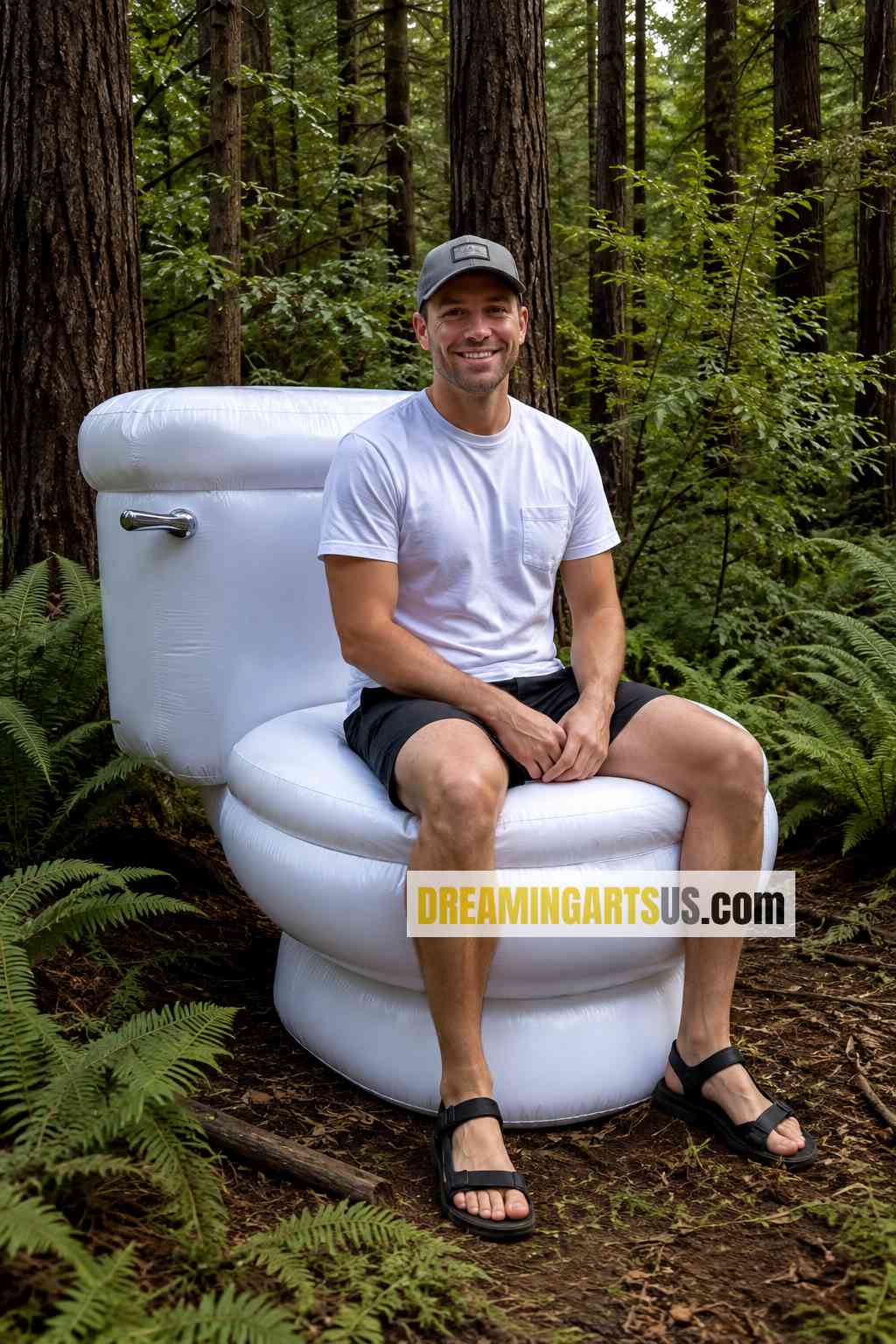
They differ from hard-sided portable toilets by prioritizing low weight and small packed volume. Many designs feature a high backrest for support, non-slip bases, and reinforced seams to handle outdoor conditions. Users typically pair them with biodegradable waste bags or chemical treatments to manage odor and disposal.
How Inflatable Camping Toilets Work
Setting up inflatable toilets for camping is straightforward. Most units inflate with a hand pump, electric pump, or even lung power in smaller models. The process usually takes a few minutes. Once inflated, the toilet provides a raised seat height similar to a standard home toilet, which reduces strain on knees and back compared with squatting.
Waste is collected in a liner or bag placed inside the bowl. Some systems use double-bag methods for extra security. After use, the bag is sealed and disposed of according to Leave No Trace principles or local regulations. Deflation involves releasing air valves and rolling the unit into its carry bag. Regular cleaning with mild soap or specialized toilet cleaners keeps the materials in good condition.
Pros of Inflatable Camping Toilets
Inflatable camping toilets deliver several clear benefits for outdoor use.
- Lightweight and compact: When deflated, they occupy far less space than rigid portable toilets. Many weigh under 5–8 pounds, making them realistic for backpacking or multi-day trips where every ounce counts.
- Comfortable seating height: The elevated design reduces the physical discomfort of prolonged squatting, which is especially helpful for older adults, people with joint issues, or those recovering from injury.
- Quick setup and takedown: Inflation and deflation are fast once you practice the process. This convenience matters when weather changes or when you need privacy on short notice.
- Privacy and dignity: In busy campgrounds or group settings, an inflatable camping toilet offers a more private option than relying solely on public facilities or open-air solutions.
- Versatility across environments: They work well in forests, beaches, boat decks, and even emergency preparedness kits. The soft structure conforms somewhat to uneven ground.
- Cost-effective for occasional use: Compared with high-end cassette toilets or composting systems, many inflatable toilets for camping are more affordable while still providing a significant comfort upgrade.
- Easy storage: Deflated units store in closets, garages, or under beds without requiring dedicated space year-round.
These advantages make inflatable camping toilets appealing for campers who value mobility and basic comfort without the bulk of traditional portable toilets.

Cons of Inflatable Camping Toilets
Despite their strengths, inflatable toilets for camping have limitations that buyers should weigh carefully.
- Durability concerns: Punctures from sharp rocks, sticks, or careless handling can deflate the unit mid-trip. While many models use reinforced materials, they are inherently less robust than hard plastic toilets.
- Stability on uneven ground: Soft bases can shift or tip more easily than rigid designs, especially if the user is larger or the ground is soft and muddy.
- Limited waste capacity: Most inflatable camping toilets rely on bags or small liners rather than large holding tanks. Frequent emptying or bag changes become necessary on longer trips or with multiple users.
- Odor management challenges: Without chemical treatments or proper bag sealing, odors can develop faster than in sealed cassette systems.
- Inflation dependency: If the pump fails or valves leak, the toilet becomes unusable until repaired. Cold weather can also make the material stiffer and more difficult to inflate.
- Cleaning requirements: Residue can linger in seams and valves. Thorough drying is essential to prevent mold, adding a maintenance step after each trip.
- Weight distribution issues: Some users report that the soft structure feels less secure when shifting position, which may affect confidence during use.
These drawbacks mean inflatable toilets for camping are not ideal for every situation. Understanding the trade-offs helps set realistic expectations.
Check similar products here: Click here
Who Should Buy an Inflatable Camping Toilet?
Inflatable camping toilets suit specific groups of outdoor users more than others.
Backpackers and Ultralight Hikers
For those prioritizing low pack weight, certain lightweight inflatable camping toilets offer a practical middle ground between a simple bag system and a full portable toilet. They work best on trips where a dedicated toilet site can be established and bags can be packed out responsibly.
Car Campers and Family Groups
Families and groups traveling by vehicle often benefit most. The ability to set up a private toilet near the campsite improves comfort for children, elderly relatives, and anyone who prefers not to walk long distances to campground facilities at night. The compact packed size still leaves room for other gear.

Boaters and Kayakers
On boats or multi-day paddling trips, space is limited and rigid toilets can be awkward. inflatable toilets for camping store easily in hatches or dry bags and provide a stable option when secured on deck or shore.
People with Mobility or Joint Concerns
Anyone who finds squatting difficult—due to age, injury, pregnancy, or chronic conditions—gains real value from the raised seat height. This group often finds the comfort upgrade justifies the extra gear.
Emergency Preparedness Planners
Inflatable camping toilets fit well into home emergency kits or vehicle preparedness bags. They provide a functional sanitation option when plumbing fails or when evacuating to temporary locations.
Occasional or Fair-Weather Campers
If you camp a few times a year and mainly want convenience without investing in heavy equipment, an inflatable camping toilet offers a low-commitment solution.
Who Might Prefer Alternatives?
Not everyone needs inflatable camping toilets. Minimalist backpackers who follow strict Leave No Trace practices and are comfortable with cat holes may find them unnecessary weight. Long-term van dwellers or full-time RVers often prefer cassette toilets or composting systems with larger capacity and better odor control. Users who camp primarily in well-equipped campgrounds with reliable facilities may also decide the extra gear is not worth carrying.
Key Features to Evaluate Before Buying
When comparing inflatable toilets for camping, focus on practical details.
- Material quality and thickness: Look for puncture-resistant PVC or similar fabrics with reinforced stress points.
- Weight and packed size: Confirm both inflated stability and deflated dimensions match your transport method.
- Seat height and design: Higher seats generally feel more comfortable for adults.
- Waste system: Decide whether you prefer disposable bags, reusable liners, or compatibility with existing bucket systems.
- Pump inclusion: Some models include a hand pump; others require a separate purchase.
- Weight capacity: Check the manufacturer’s stated limit and consider real-world safety margins.
- Warranty and repair options: Patch kits and clear repair instructions add long-term value.
Reading recent user reviews focused on real-world durability and ease of cleaning provides useful context beyond marketing claims.

Practical Tips for Using Inflatable Camping Toilets
Success with inflatable toilets for camping depends on good habits.
- Always place the unit on relatively flat, stable ground and clear sharp debris first.
- Use high-quality waste bags designed for portable toilets and double-bag when possible.
- Treat waste with appropriate chemicals or enzyme products if the system supports them.
- Deflate and dry the unit thoroughly before long-term storage to prevent mildew.
- Carry a small repair kit with patches and adhesive.
- Practice setup at home so the process feels automatic in the field.
- Follow all local regulations and Leave No Trace guidelines for waste disposal.
These simple steps reduce common frustrations and extend the life of the product.
Environmental and Ethical Considerations
Responsible use of inflatable camping toilets aligns with outdoor ethics. Packing out all waste is essential. Biodegradable bags help, but they still require proper disposal in trash receptacles rather than burial in most backcountry areas. Choosing durable models that last multiple seasons reduces the environmental cost of frequent replacements. Avoid leaving any components or packaging in natural areas.
Purchase similar fun designs: Click here
Cost Range and Value Assessment
Entry-level inflatable camping toilets typically cost less than more complex portable systems. Mid-range options with better materials and included accessories offer stronger long-term value for regular users. Factor in ongoing costs such as waste bags and cleaning supplies when calculating total ownership expense. For infrequent campers, even a basic model can deliver noticeable comfort gains relative to its price.
Real-World Scenarios Where They Shine
On a multi-day river trip with limited shore facilities, an inflatable camping toilet can improve group hygiene and morale. During family car-camping weekends, it reduces late-night walks for children. In emergency situations following storms or power outages, it provides a functional sanitation solution when municipal systems are disrupted. These contexts highlight the practical value beyond pure recreation.
Before purchasing, measure your typical trip length, group size, transport method, and personal comfort needs. Test inflation and deflation if possible. Confirm the availability of compatible waste bags in your region. Reading detailed owner experiences focused on multi-trip durability provides better insight than short product descriptions.
Inflatable camping toilets are not a universal solution, but they solve real problems for many outdoor users. Their combination of low weight, compact storage, and improved seating comfort makes them a sensible choice for car campers, boaters, families, and anyone seeking a practical upgrade from basic field methods.

