
In today’s fast-paced world, our backyards have transformed from mere patches of green into true sanctuaries—a place where we can reconnect with nature, entertain guests, or simply unwind after a long day. One of the most captivating trends redefining outdoor spaces is the incorporation of Live Edge Wood Patios. Marrying the organic beauty of nature with contemporary design, these patios offer an unmatched aesthetic appeal, functionality, and a sustainable way to elevate your outdoor living space.
In this comprehensive article, we will explore every facet of live edge wood patios—from their inherent charm and practical benefits to design considerations, materials, installation techniques, maintenance tips, and cost analysis.

What Are Live Edge Wood Patios?
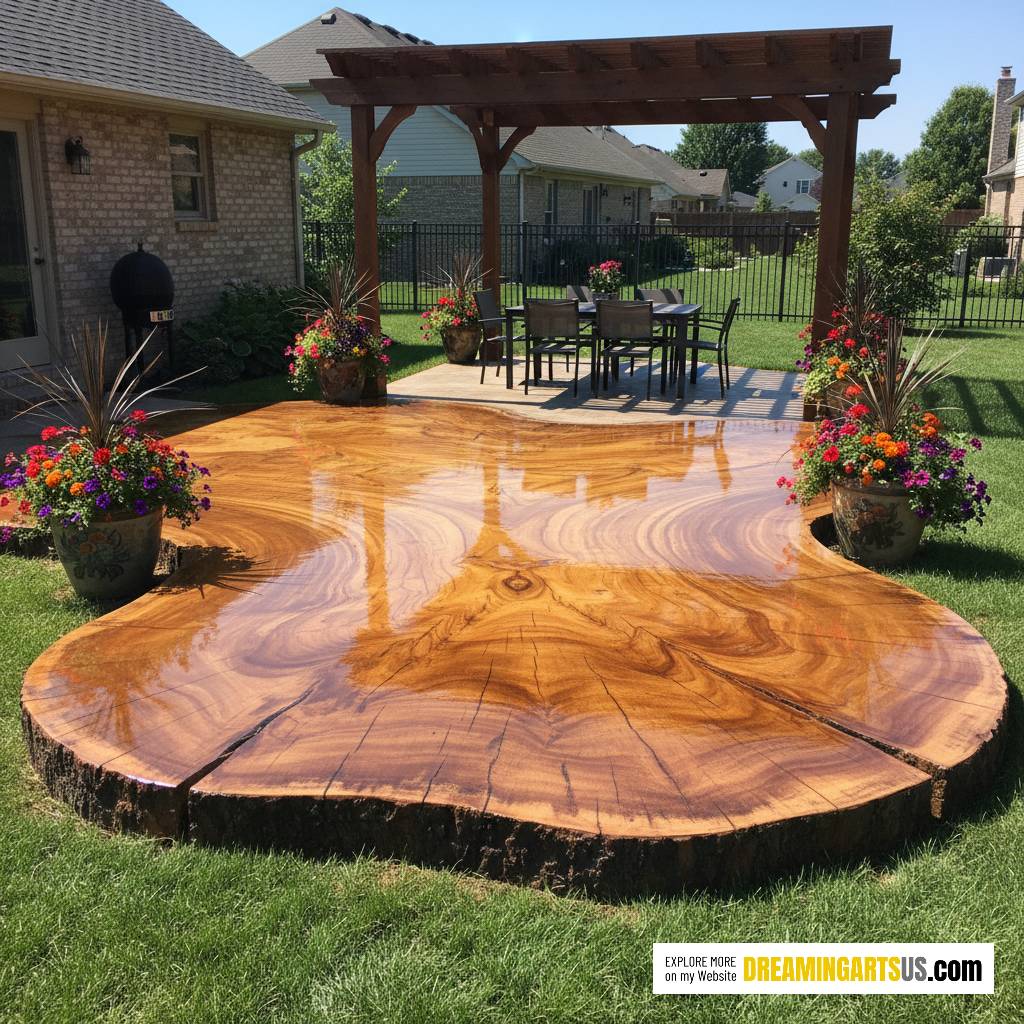
Live edge wood patios refer to outdoor spaces where the natural edge of the wood is preserved rather than being uniformly cut. Unlike traditional wood installations that emphasize symmetry and precision, live edge wood retains the organic curves, knots, and natural contours of the tree. This technique brings an authentic, earthy feel to your patio, creating a striking focal point in any backyard design.
The Natural Appeal
The essence of live edge wood lies in its raw, unrefined character. Every piece is unique, echoing the tree’s natural form, history, and character. By incorporating these distinctive elements, live edge wood patios provide a warm, inviting ambiance that bridges the gap between nature and modern living.
A Brief History and Cultural Influence
The concept of preserving the natural edge of wood has deep roots in various cultures that value the organic connection between art and nature. Over the years, artisans and designers have embraced this style as a way to celebrate the natural imperfections of wood. Today, live edge wood patios are celebrated for their rustic elegance and are often associated with eco-friendly design trends, which highlight sustainability and respect for natural resources.
Benefits of Live Edge Wood Patios
1. Unmatched Aesthetic Appeal
The foremost benefit of live edge wood patios is their exceptional beauty. The unaltered edges, combined with the intricate grain patterns and natural textures, create a visually stunning and inviting space. Each plank of live edge wood tells a story, making your patio a living piece of art that continuously evolves with the seasons.
2. Connection with Nature
Using live edge wood in your backyard emphasizes a closer connection with nature. It invites the outdoors inside, providing a tranquil retreat where the natural imperfections of wood remind you of the organic beauty that exists beyond urban environments. This connection has been shown to reduce stress and improve overall well-being, making your patio a place of both physical and mental rejuvenation.

3. Sustainable and Eco-Friendly
Sustainability is at the heart of modern design trends. Many live edge wood pieces are sourced from reclaimed wood or responsibly managed forests. This eco-friendly approach not only minimizes waste but also reduces the environmental impact associated with manufacturing new materials. By opting for live edge wood patios, you support sustainable practices while enjoying a stylish outdoor space.
4. Durability and Functionality
While live edge wood offers a rustic, natural look, it is also surprisingly durable when treated and maintained properly. With the right finishes and sealants, these patios can withstand varying weather conditions, providing a robust and long-lasting surface for outdoor dining, entertaining, and relaxation.
5. Versatility in Design
Live edge wood seamlessly complements a wide range of design styles—from modern minimalist aesthetics to rustic farmhouse vibes. Whether your backyard is sprawling or compact, the organic beauty of live edge wood can be tailored to fit any space. Its versatility means you can integrate it with complementary elements like metal accents, stone pathways, or lush landscaping to create a cohesive and dynamic outdoor environment.
Design Considerations for Live Edge Wood Patios
Creating the perfect live edge wood patio requires thoughtful planning and a clear vision. Here are some key considerations to help you design a space that is both functional and aesthetically pleasing:
1. Assessing Your Space
Before diving into design details, evaluate the size, shape, and existing features of your backyard. Consider how much space you have available, the location of trees, and natural light patterns. These factors will influence your design and the selection of live edge wood elements.
2. Layout and Flow
Plan a layout that allows for a natural flow between different areas of your patio. A well-thought-out design might include dining areas, seating zones, and even a dedicated fire pit or outdoor kitchen. The goal is to create distinct spaces that are seamlessly connected, encouraging movement and interaction.
3. Complementary Elements
Live edge wood serves as a stunning focal point, but it works best when paired with complementary design elements. Consider incorporating:
- Outdoor Furniture: Choose pieces that blend comfort with style. Woven, metal, or upholstered furniture can complement the raw beauty of the wood.
- Lighting: Use ambient and accent lighting to highlight the natural textures of live edge wood. Solar-powered lights, lanterns, and string lights can add warmth and create an inviting atmosphere during the evening.
- Landscaping: Integrate lush greenery, planters, and flower beds around your patio. Natural stone paths or gravel walkways can further enhance the rustic charm.
- Water Features: A small fountain or a built-in water feature can create a serene ambiance, offering a soothing sound that harmonizes with the natural wood elements.
4. Color and Texture Harmony
When designing your space, consider a color palette that complements the natural tones of the wood. Earthy hues like deep greens, warm browns, and subtle grays can create a cohesive and calming environment. Additionally, mixing textures—smooth stone, soft fabric, and the rugged live edge—adds depth and interest to the design.

Materials and Construction
1. Sourcing the Right Wood
The success of your live edge wood patio hinges on the quality and source of the wood. Many homeowners opt for reclaimed wood, which not only adds character but also promotes sustainability. Reclaimed wood often comes with a rich history and unique features that new wood simply cannot match.
- Types of Wood: Popular choices include oak, walnut, maple, and cherry. Each type offers distinct colors and grain patterns. Hardwood options tend to be more durable, while softwoods provide a lighter, more casual look.
- Sustainability: Ensure that the wood is sourced responsibly. Look for certifications or inquire about the origin of the wood to verify that it comes from managed forests or is reclaimed from old structures.
2. Treatment and Finishes
To maintain the natural beauty of live edge wood patios, proper treatment is essential. Finishing the wood with high-quality sealants or oils not only enhances its color and texture but also provides protection against weathering, moisture, and UV rays.
- Sealants: A clear, weather-resistant sealant helps to preserve the wood’s integrity and prolongs its lifespan. Regular reapplication, typically once a year, keeps the patio looking fresh.
- Oils: Natural oils, such as tung oil or linseed oil, can bring out the warmth and richness of the wood grain while providing a protective barrier.
3. Construction Techniques
Constructing a live edge wood patio requires a blend of craftsmanship and careful planning. The process often involves:
- Measuring and Cutting: Accurate measurements and careful cutting are essential to preserve the natural edge of the wood. Specialized saws and tools ensure that the natural contours remain intact.
- Fitting and Installation: The wood must be properly fitted and secured to prevent shifting or warping. This may involve using brackets, anchors, or custom-built frames.
- Finishing Touches: Once installed, any gaps or uneven edges can be filled or sanded down to create a smooth, safe surface without compromising the natural look.
Incorporating Complementary Elements
While live edge wood patios stand out on their own, they truly shine when combined with other outdoor elements that complement their natural charm.
Outdoor Furniture and Decor
The right outdoor furniture can enhance your patio’s appeal. Choose pieces that echo the rustic elegance of live edge wood—think natural wicker, metal frames, or even custom-built benches that incorporate wood accents. Comfortable seating, weather-resistant cushions, and versatile tables can turn your patio into a multifunctional space perfect for dining, lounging, or hosting gatherings.
Lighting and Ambiance
Lighting plays a pivotal role in transforming your outdoor space after dark. Soft, ambient lighting such as lanterns, string lights, or even built-in LED fixtures can highlight the natural textures of the wood while creating a warm and inviting atmosphere. Consider using solar-powered lights to add an eco-friendly element to your design.
Landscaping and Greenery
Integrate native plants and lush landscaping to soften the edges of your live edge wood patio. Raised planters, vertical gardens, or even small water features can enhance the natural aesthetic and create a harmonious transition between your patio and the surrounding environment. The interplay between the rugged wood and vibrant greenery results in a balanced, nature-inspired retreat.
Additional Features
To elevate your backyard further, think about incorporating:
- Fire Pits or Outdoor Fireplaces: These focal points provide warmth, extend the usability of your space into cooler evenings, and add an element of cozy charm.
- Outdoor Kitchens: A built-in grill or a full outdoor kitchen setup can make your patio the ultimate space for entertaining.
- Artistic Accents: Sculptures, decorative stones, or even mosaic patterns in adjacent areas can add a personalized touch that reflects your style and complements the natural look of live edge wood.
Cost Analysis and Value Addition
Investing in live edge wood patios is not only an investment in your home’s aesthetic but also in its long-term value.
Material and Labor Costs
- Materials: The cost of live edge wood can vary based on the type, source, and size of the pieces. Reclaimed wood might be more affordable in some cases, while exotic hardwoods could come at a premium.
- Labor: Skilled craftsmanship is essential when working with live edge wood. Whether you choose to DIY or hire professionals, factor in the costs associated with installation, finishing, and any custom design elements.
Budgeting for Your Project
Creating a detailed budget is critical. Consider:
- Initial Costs: Materials, labor, tools, and any site preparation.
- Maintenance Expenses: Regular cleaning, resealing, and minor repairs over time.
- Long-Term Value: A beautifully designed and maintained live edge wood patio can significantly enhance your property’s curb appeal and overall market value. Homeowners often find that outdoor upgrades yield a favorable return on investment.
Return on Investment
Beyond the tangible financial aspects, a live edge wood patio adds immeasurable value by creating a space for memories and relaxation. The natural, timeless appeal of live edge wood resonates with buyers if you ever decide to sell your home, making it a worthwhile investment for both present enjoyment and future resale value.
Links to purchase similar products: Click here
Live edge wood patios represent more than just an outdoor design trend—they are a celebration of nature’s artistry and a testament to sustainable, innovative living. By preserving the natural beauty of wood, these patios bring warmth, character, and a unique charm to any backyard.
Embrace the trend of live edge wood patios and let your backyard become a canvas where nature and design converge in a spectacular display of organic elegance. Enjoy the process of creating a space that reflects your personality, values sustainability, and offers endless possibilities for relaxation, entertainment, and inspiration.


